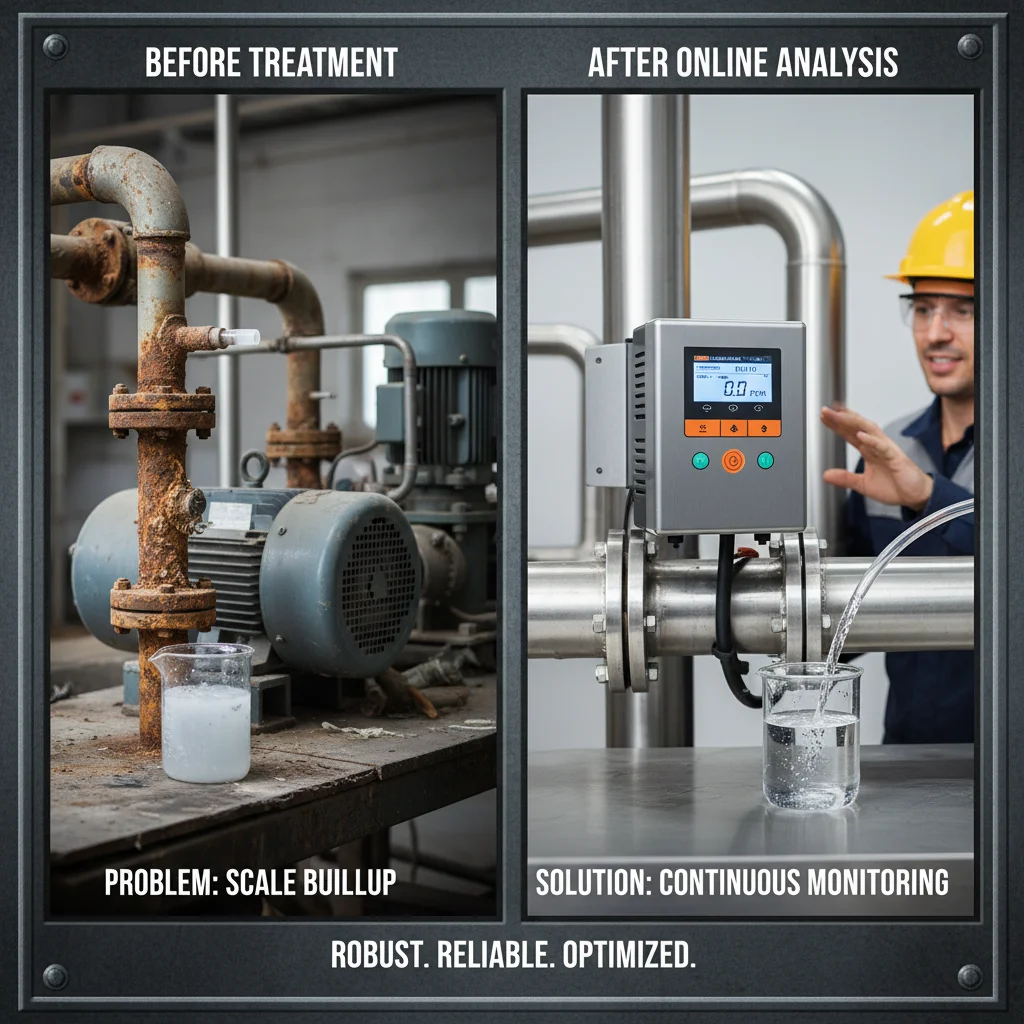
Water quality analysis is critical in today’s world, impacting everything from public health and environmental sustainability to industrial processes and agricultural productivity. The need for accurate and reliable water quality analyzers has never been greater, driven by increasing pollution, stricter regulations, and a growing global population. These analyzers are no longer simply laboratory instruments; they're field-deployable, real-time monitoring systems essential for safeguarding our most precious resource.
Globally, access to clean water remains a significant challenge. According to the UN, billions lack access to safely managed drinking water services, leading to preventable diseases and hindering socioeconomic development. The demand for sophisticated water quality analyzer technology is surging as nations and organizations strive to meet Sustainable Development Goal 6 – Clean Water and Sanitation.
A water quality analyzer represents a pivotal tool for assessing the physical, chemical, and biological characteristics of water. Its development is intrinsically linked to the advancement of modern industry, supporting vital processes like wastewater treatment, potable water production, and environmental monitoring, while also playing a humanitarian role in disaster response and areas with limited infrastructure.
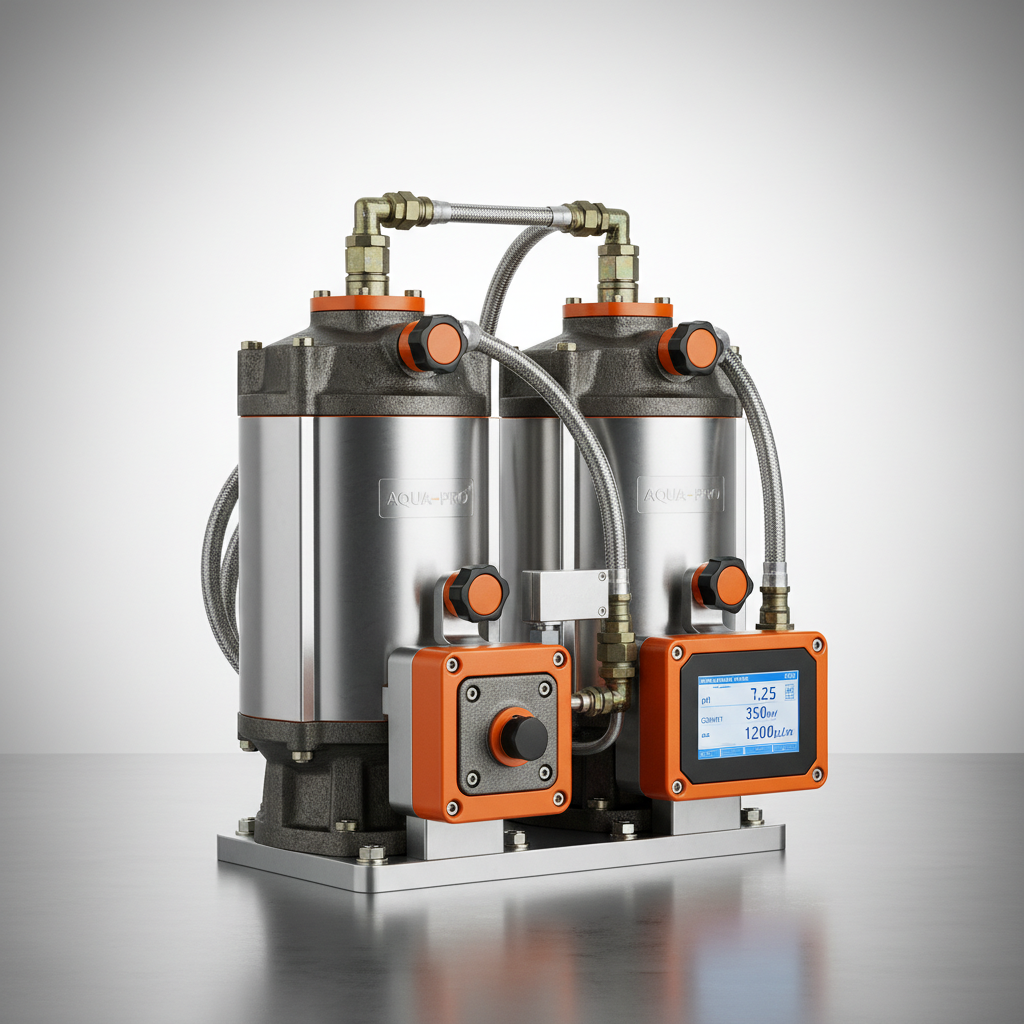
The Importance of Water Quality Analyzer
Maintaining optimal water quality is not merely an environmental concern; it's fundamental to public health, economic stability, and the overall well-being of ecosystems. A robust water quality analyzer provides the data needed to identify contaminants, assess risks, and implement effective treatment strategies. Without accurate analysis, informed decision-making is impossible.
The increasing complexity of pollutants, including microplastics, pharmaceuticals, and emerging contaminants, necessitates the use of advanced analytical techniques. Investing in and utilizing reliable water quality analyzers is, therefore, a proactive step toward safeguarding water resources for future generations.
Defining Water Quality Analyzers
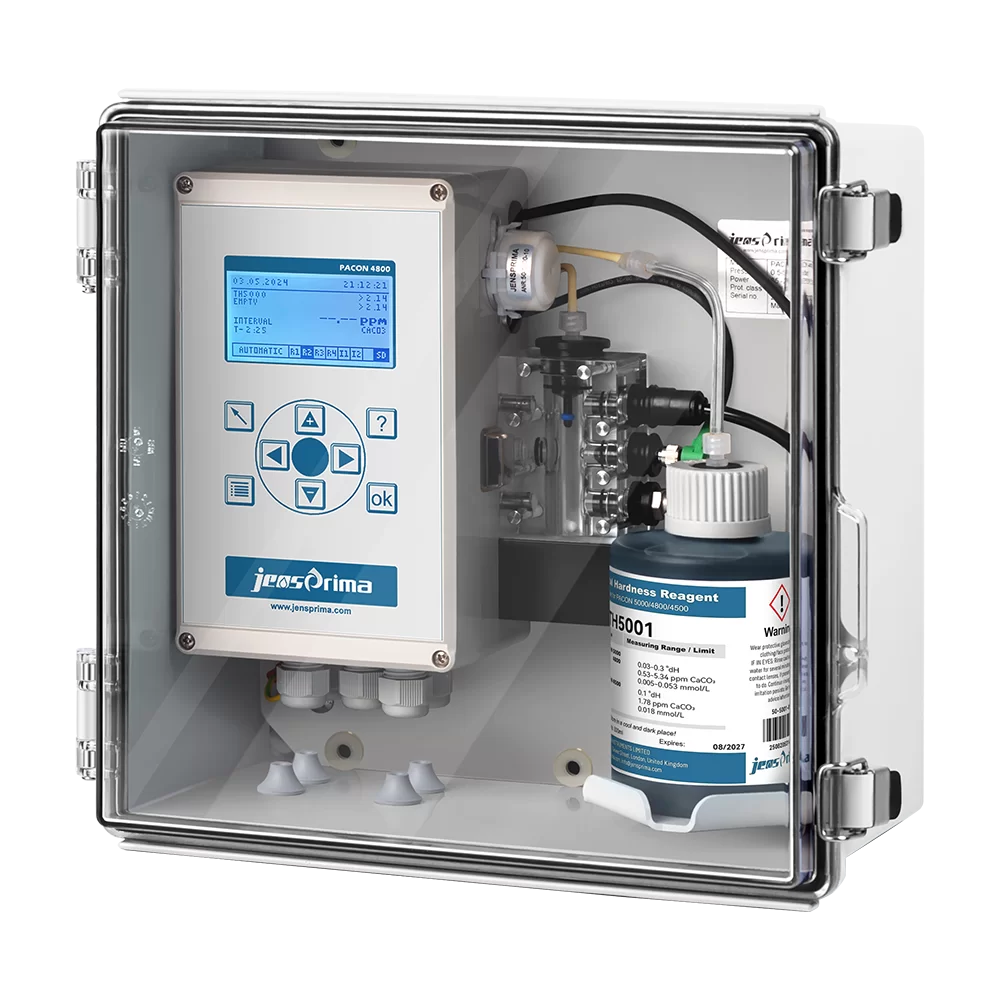
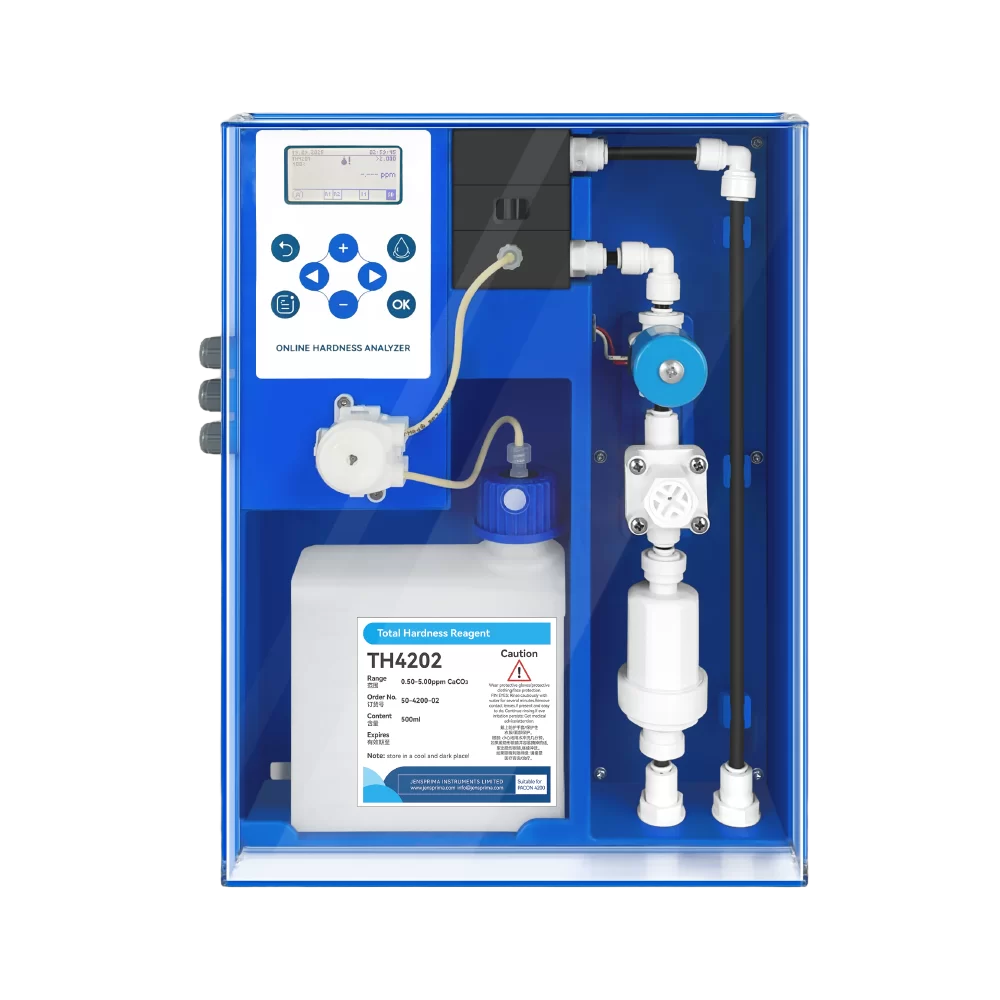
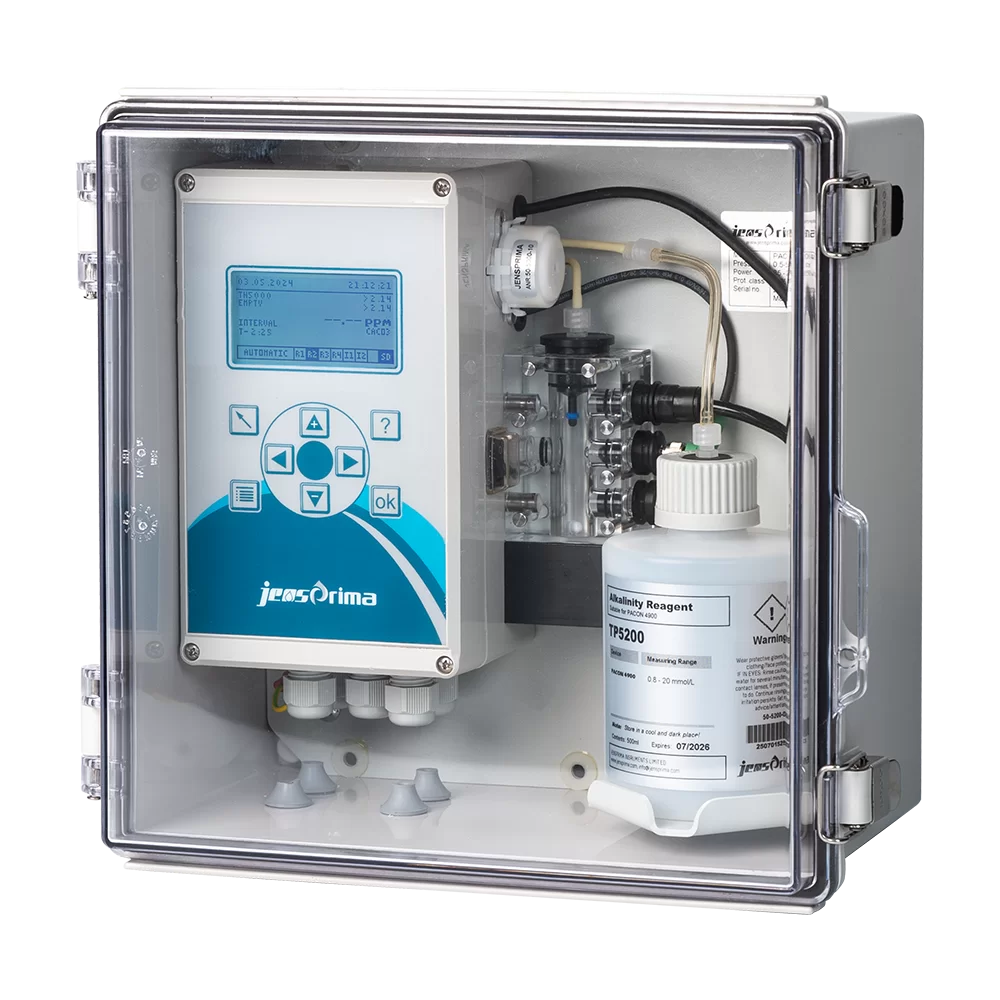
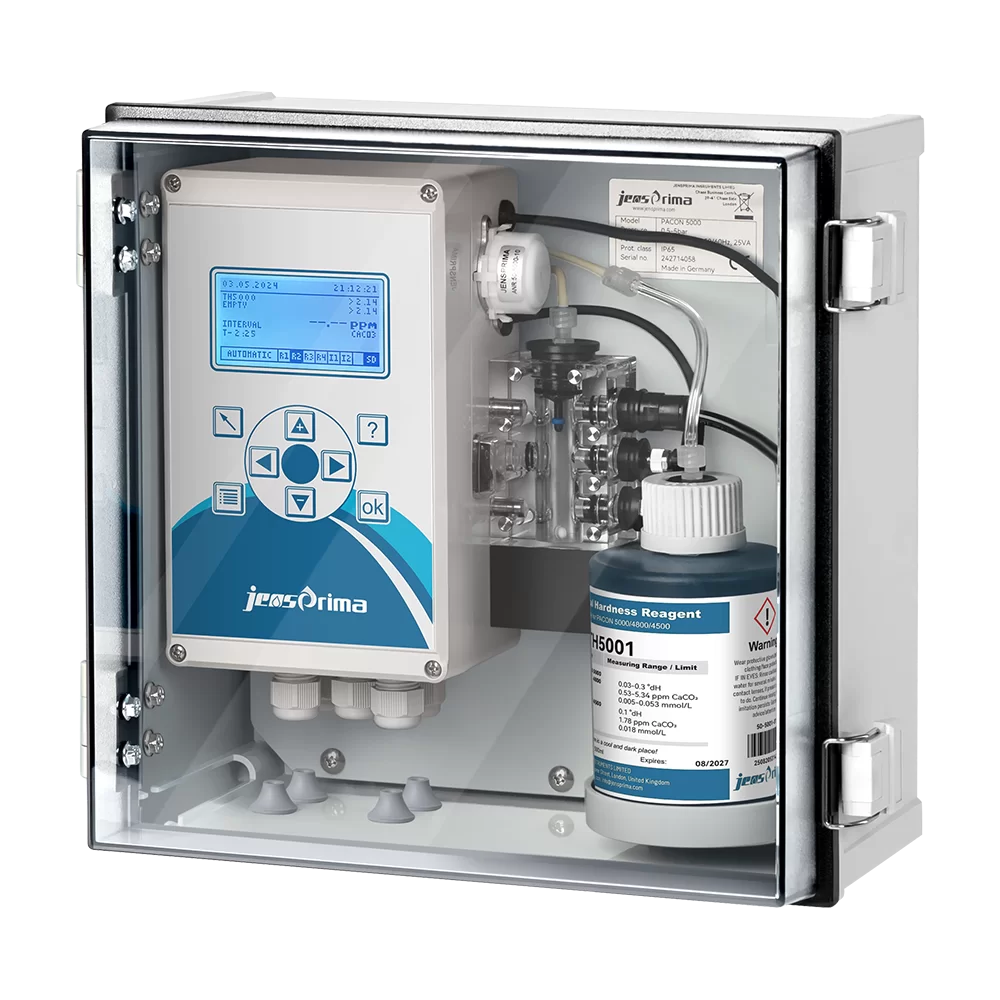
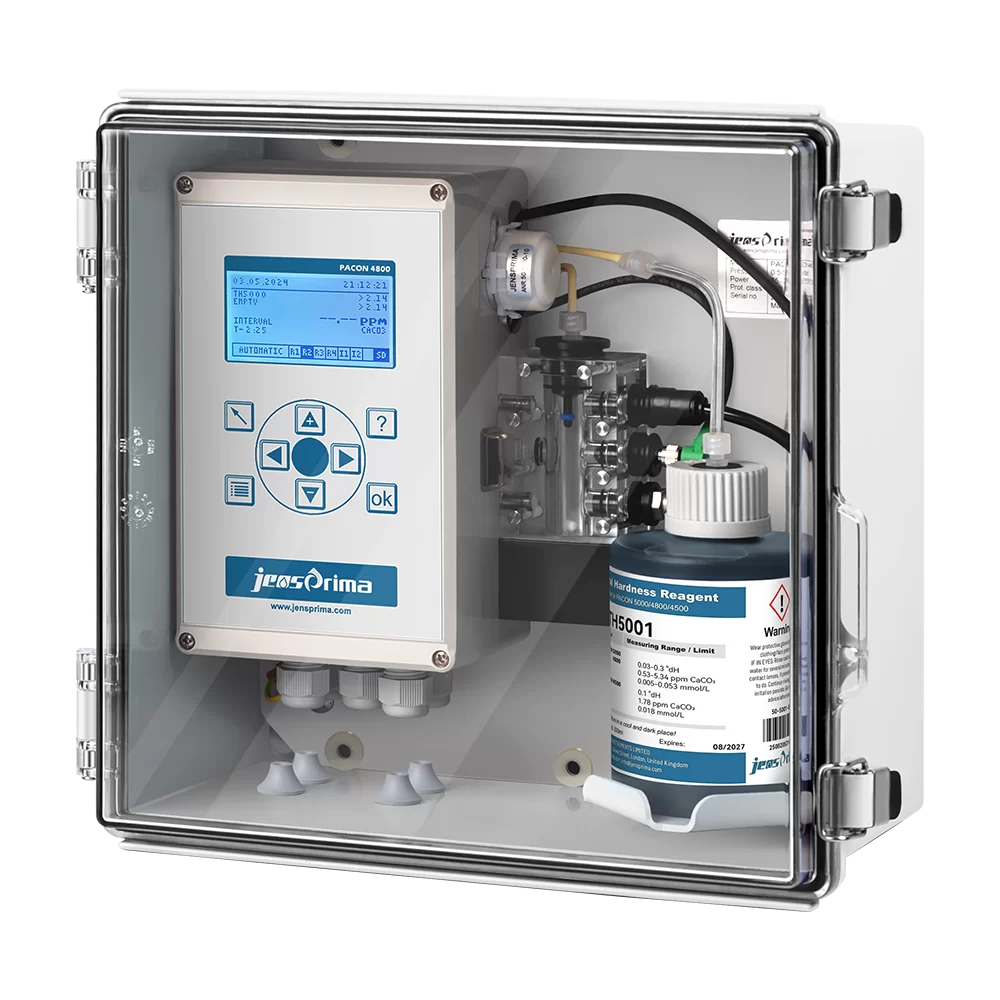
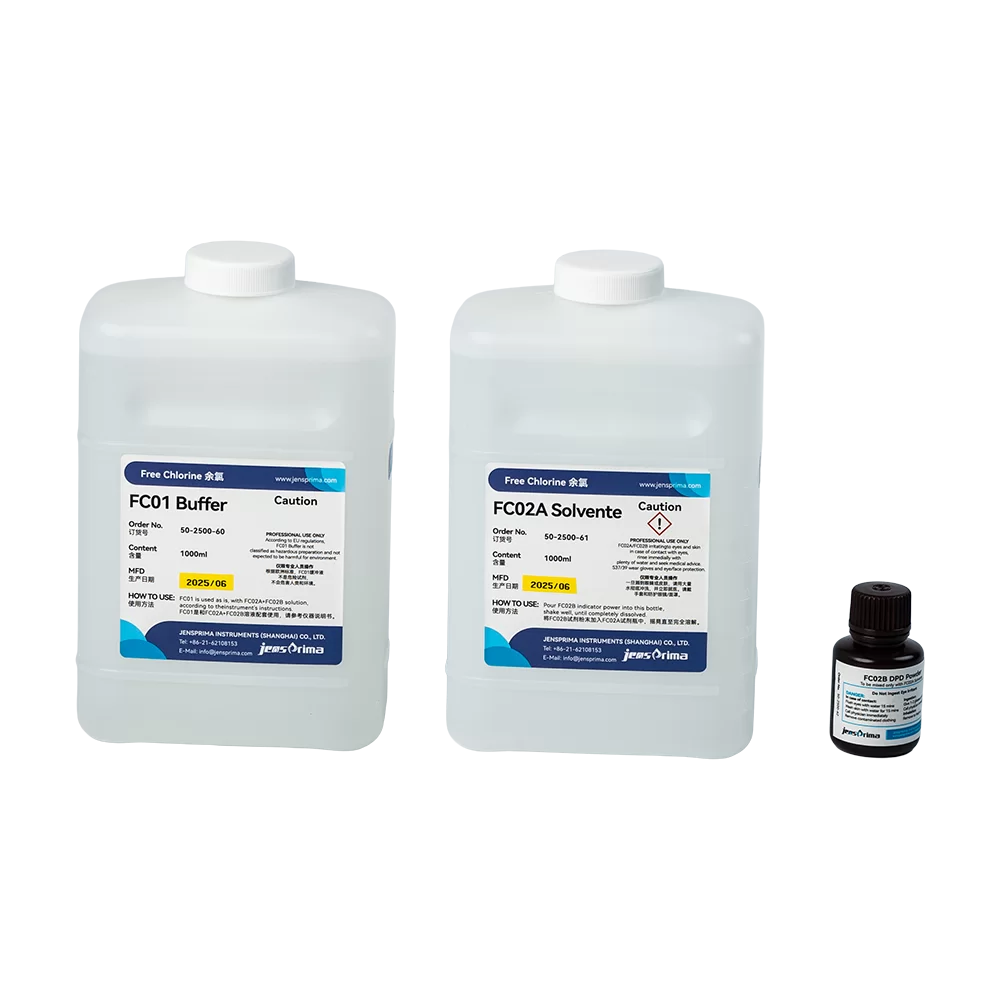
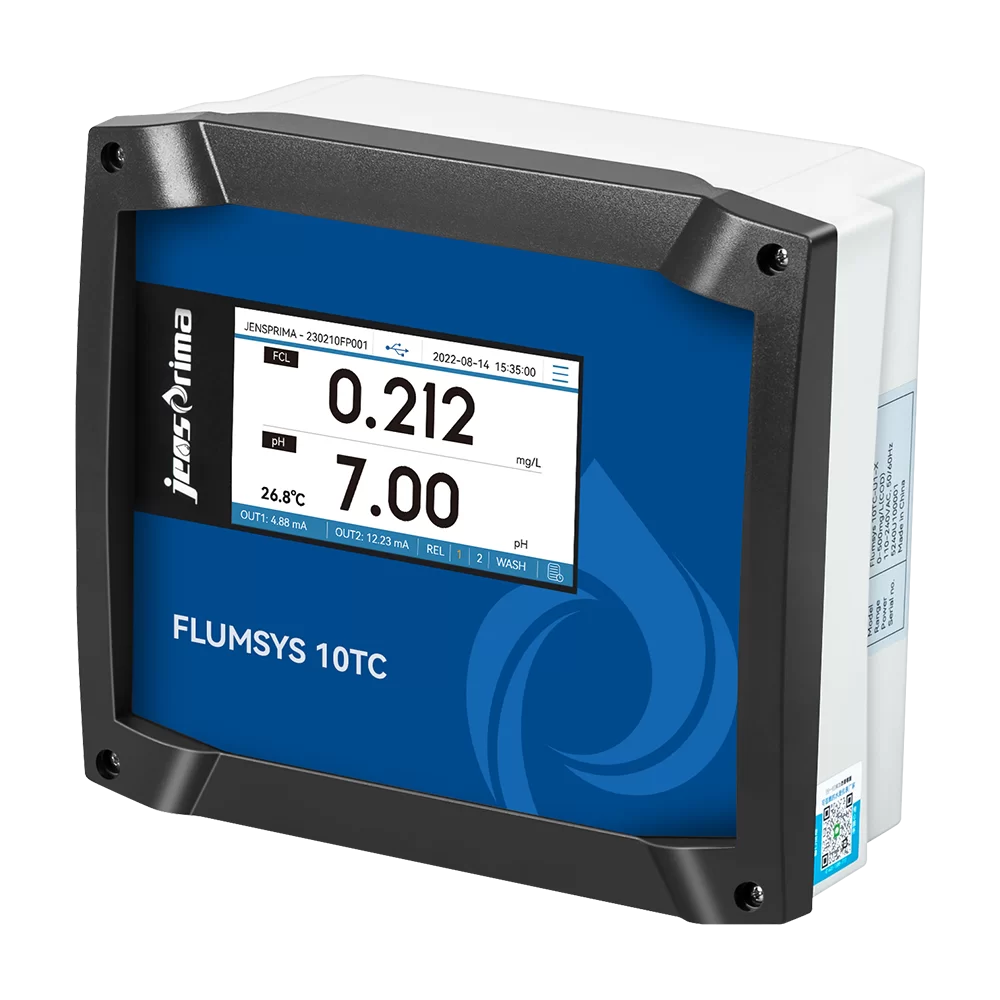
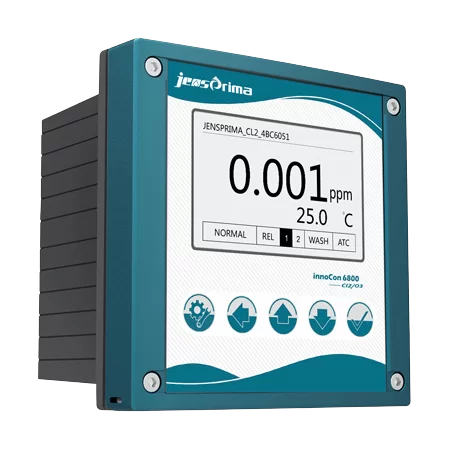
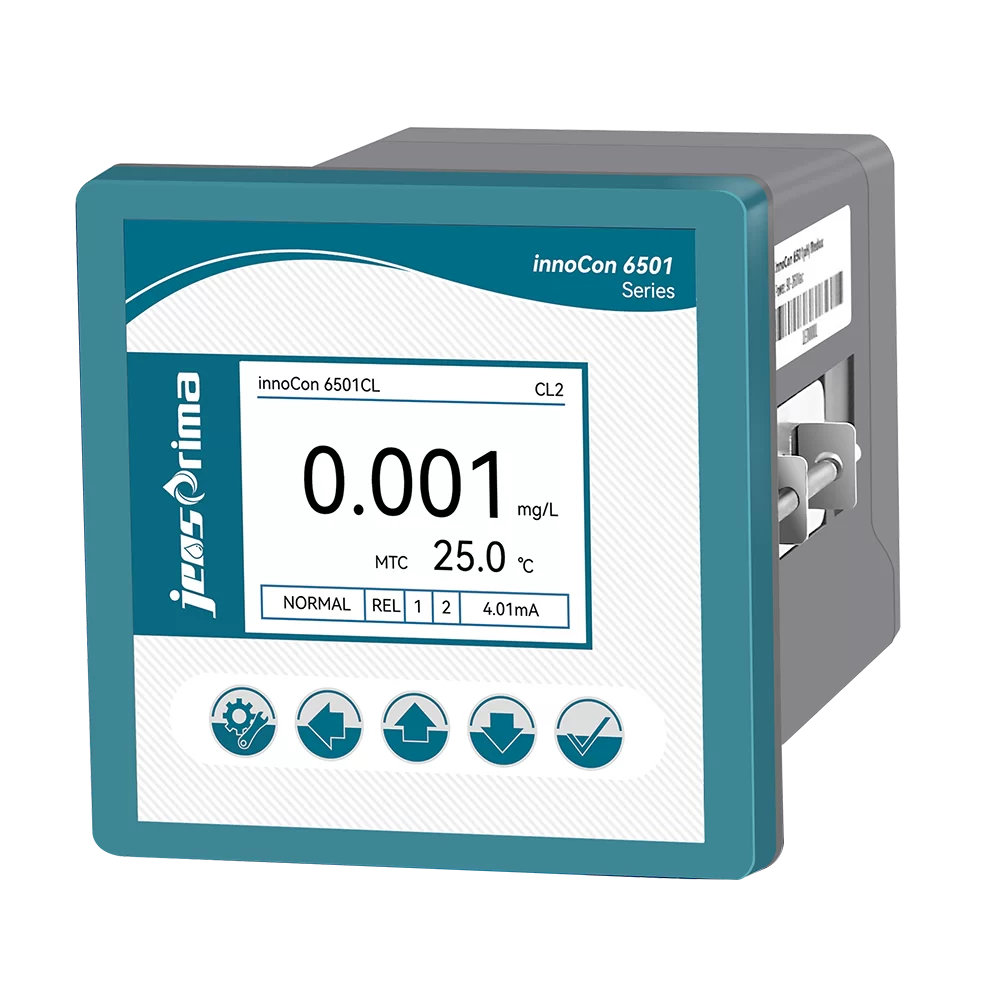
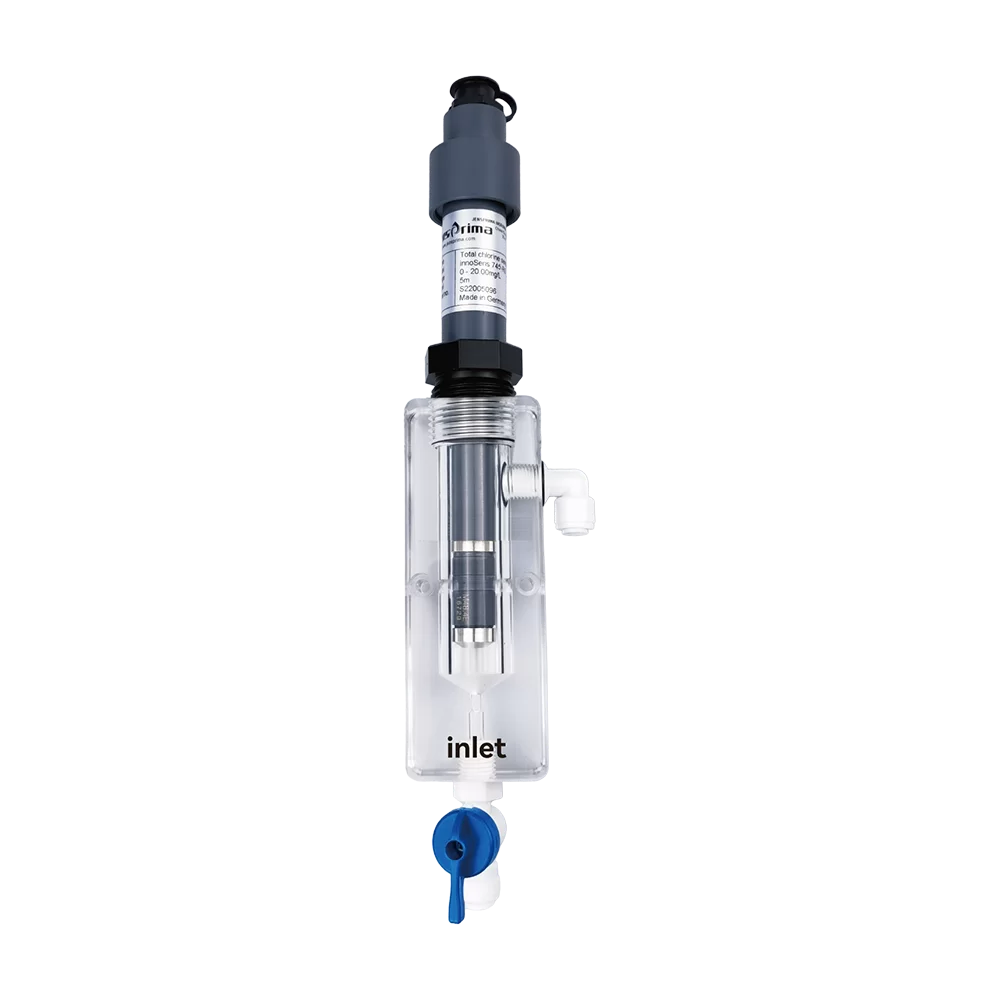
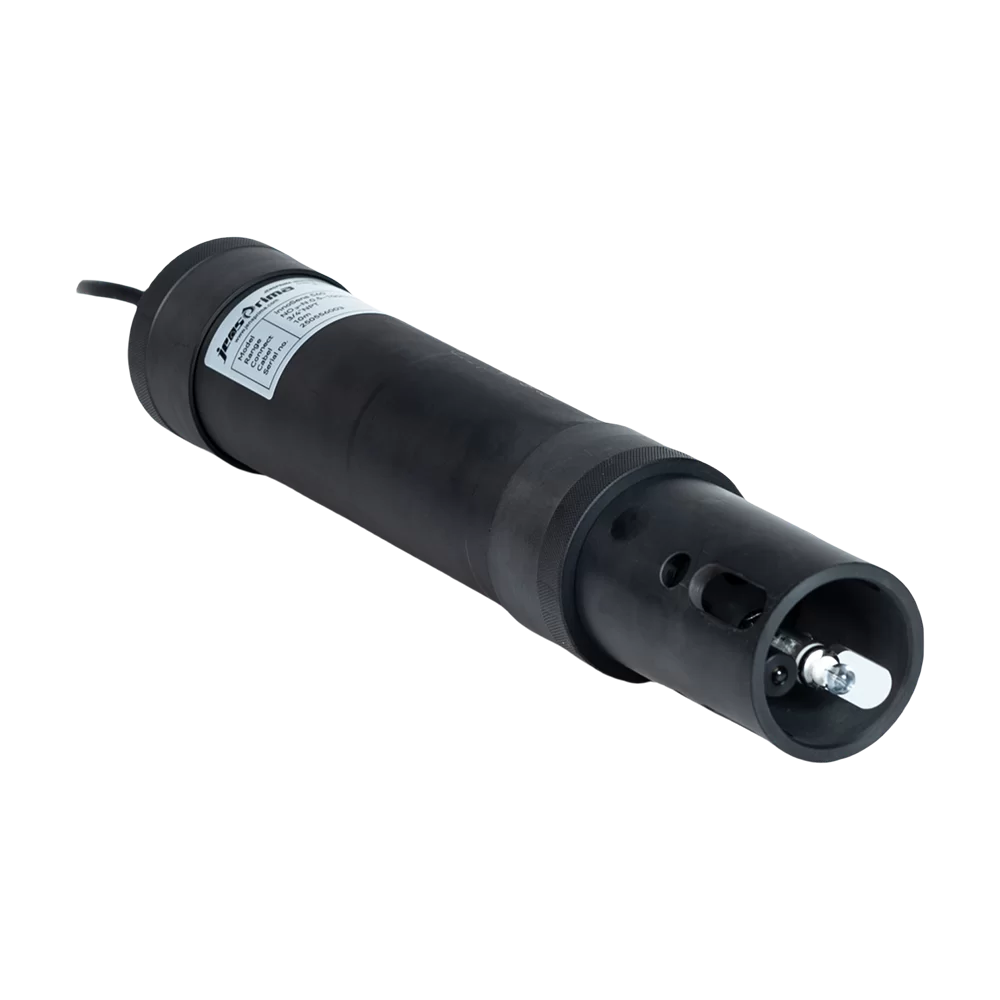
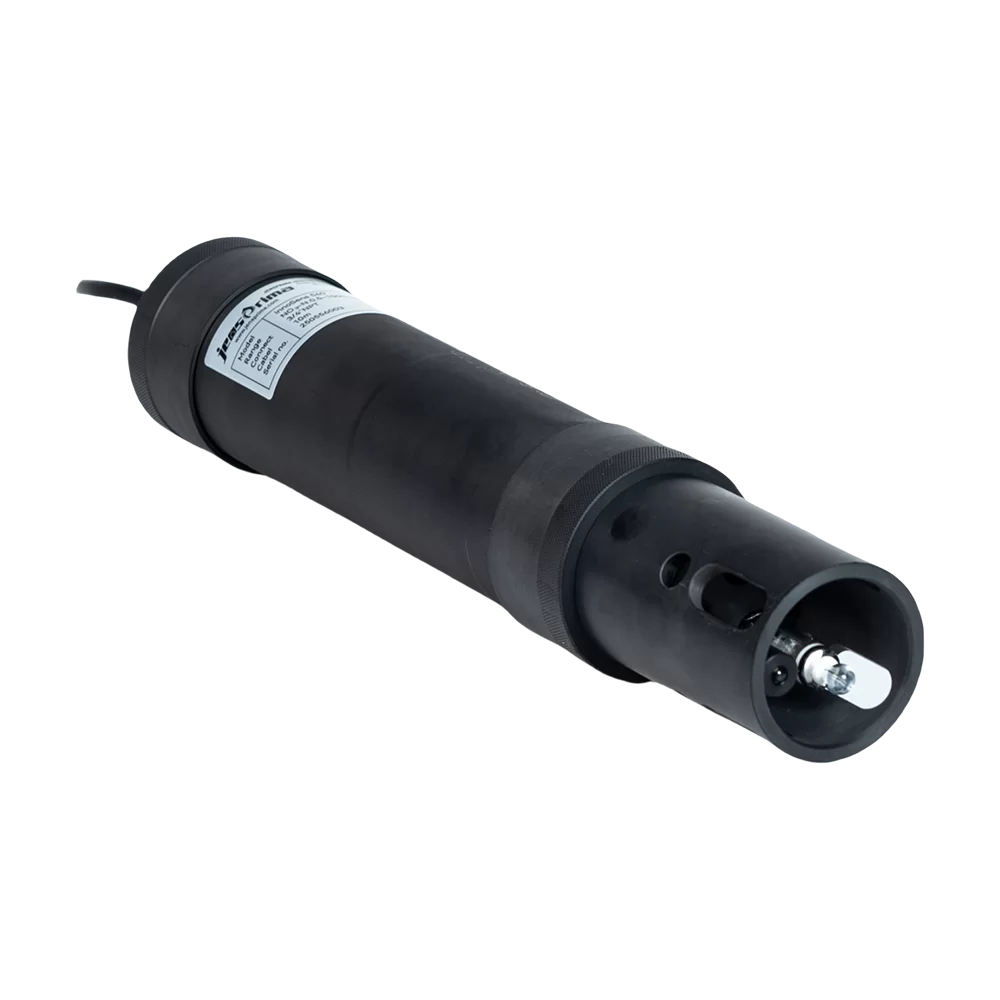
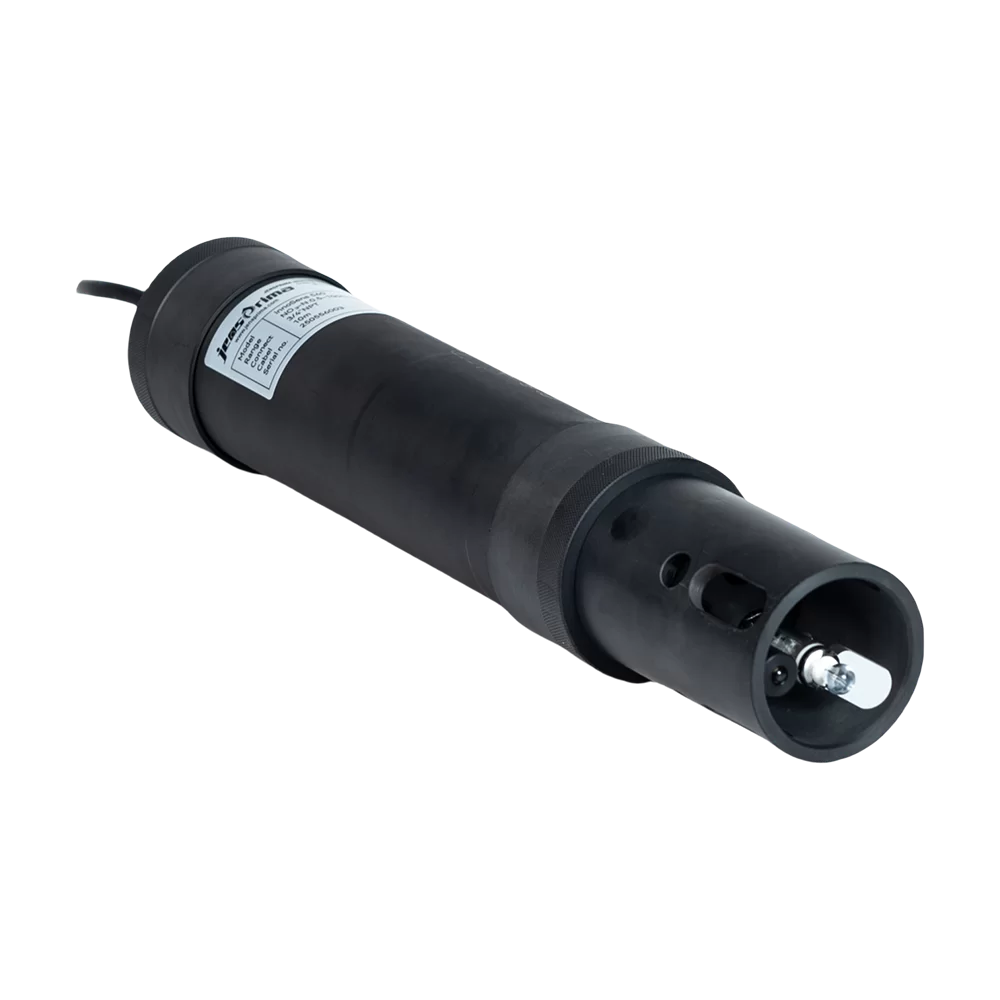
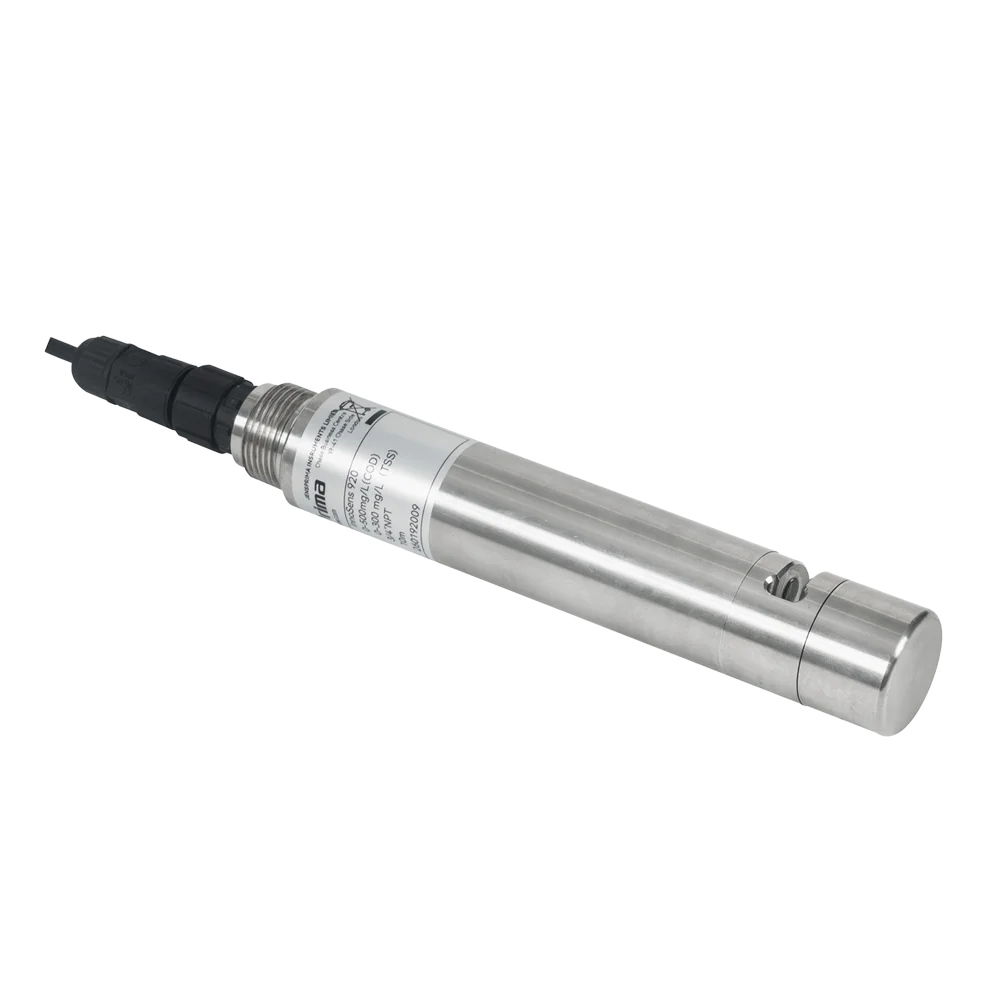
A water quality analyzer is an instrument or a system designed to assess the chemical, physical, and biological characteristics of water. This can range from simple field kits measuring basic parameters like pH and dissolved oxygen to sophisticated laboratory equipment capable of identifying trace amounts of pollutants. The primary function of a water quality analyzer is to provide quantitative data about the water's composition.
These analyzers are crucial components in monitoring systems across diverse sectors. From ensuring compliance with regulatory standards in municipal water treatment plants to evaluating the impact of industrial discharge on nearby waterways, they serve as essential safeguards. Their applications directly address critical modern industry and humanitarian needs.
Furthermore, advancements in sensor technology have led to the development of real-time, continuous monitoring systems, providing immediate alerts to potential water quality issues, enabling swift corrective actions, and preventing widespread contamination.
Core Components and Functionality
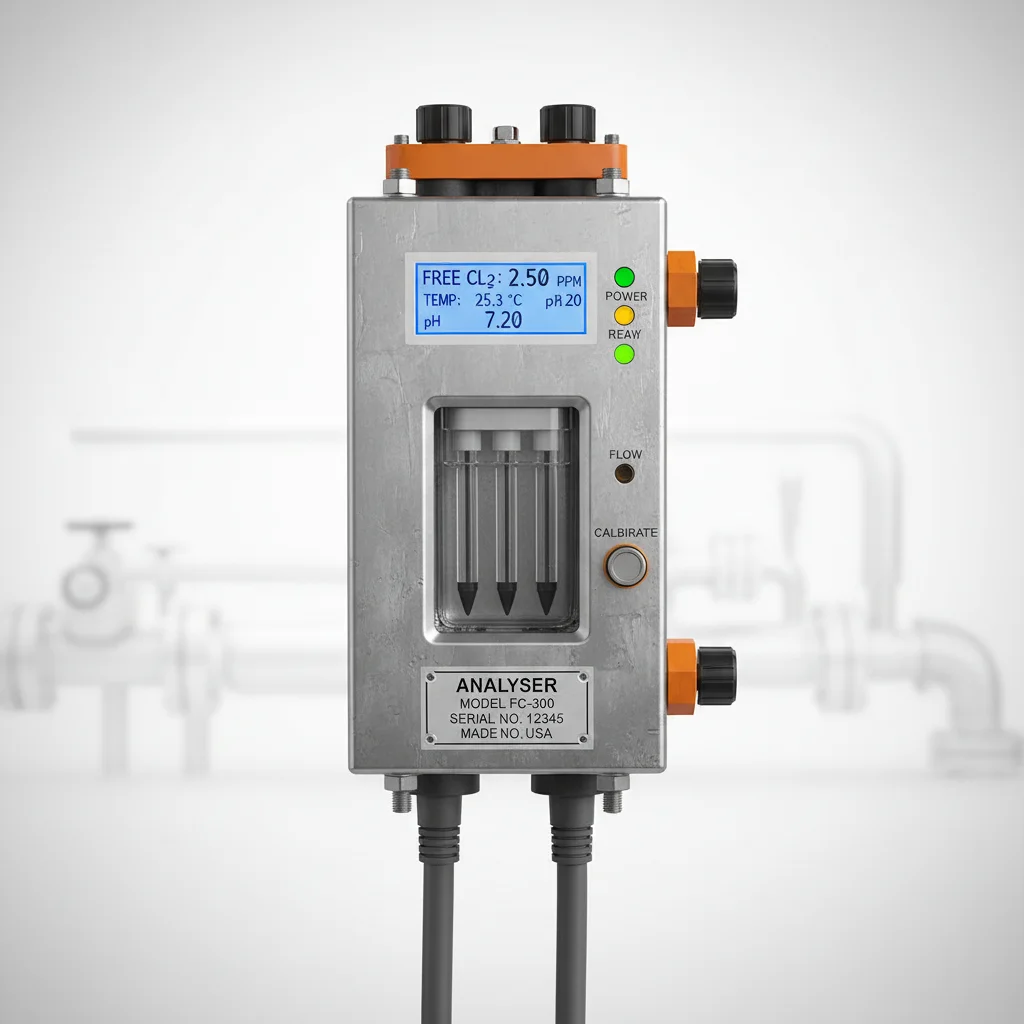
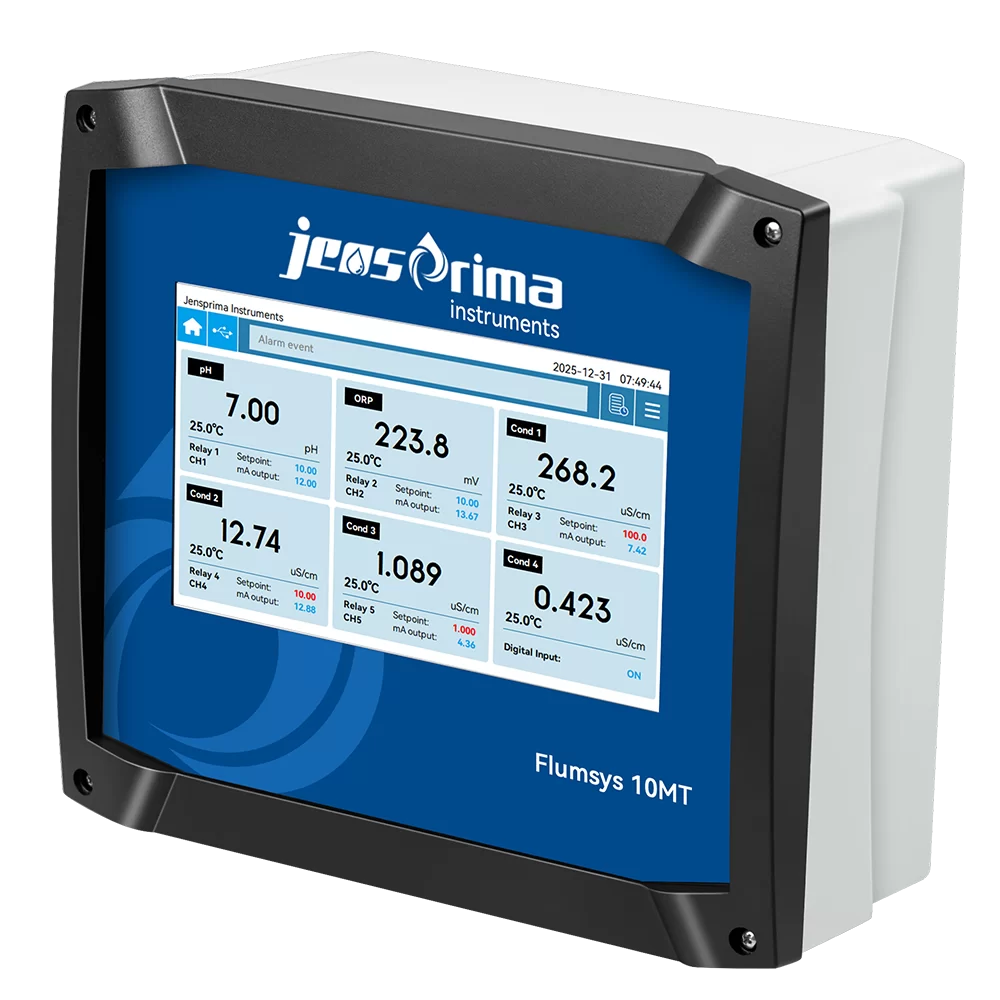
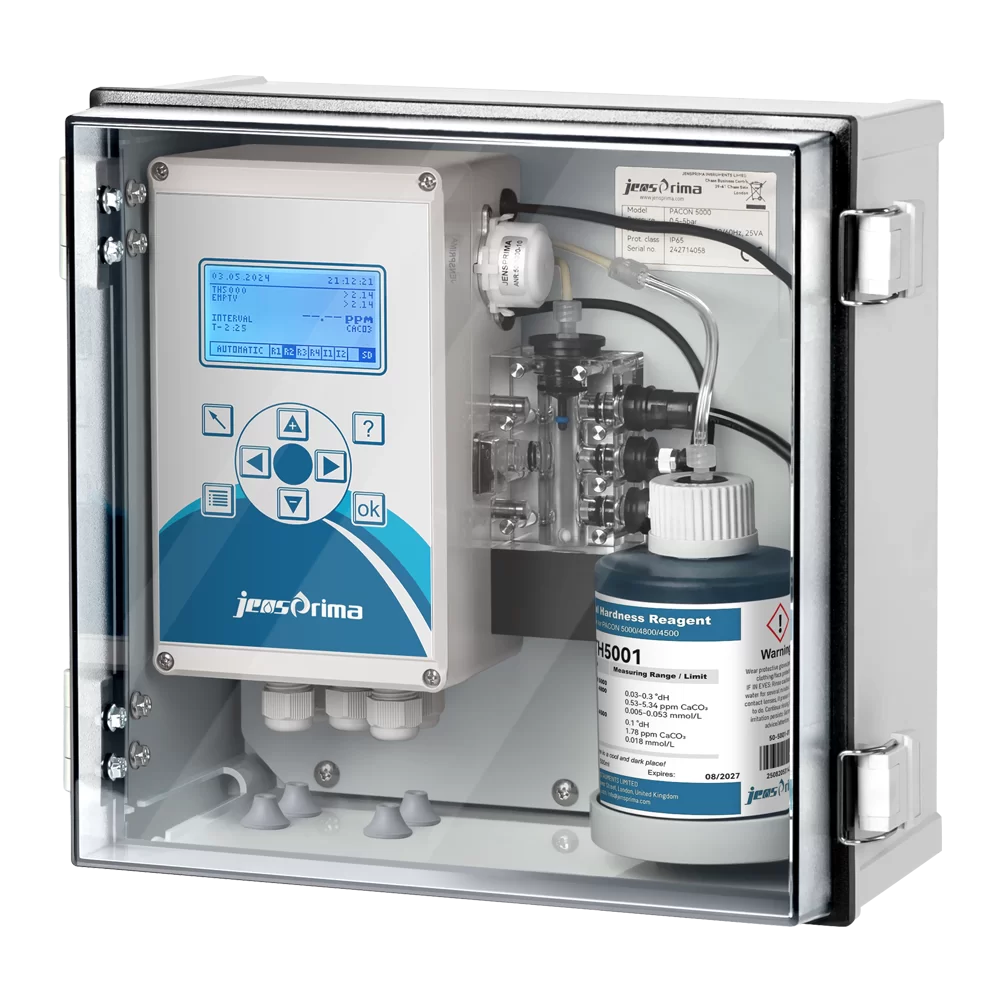
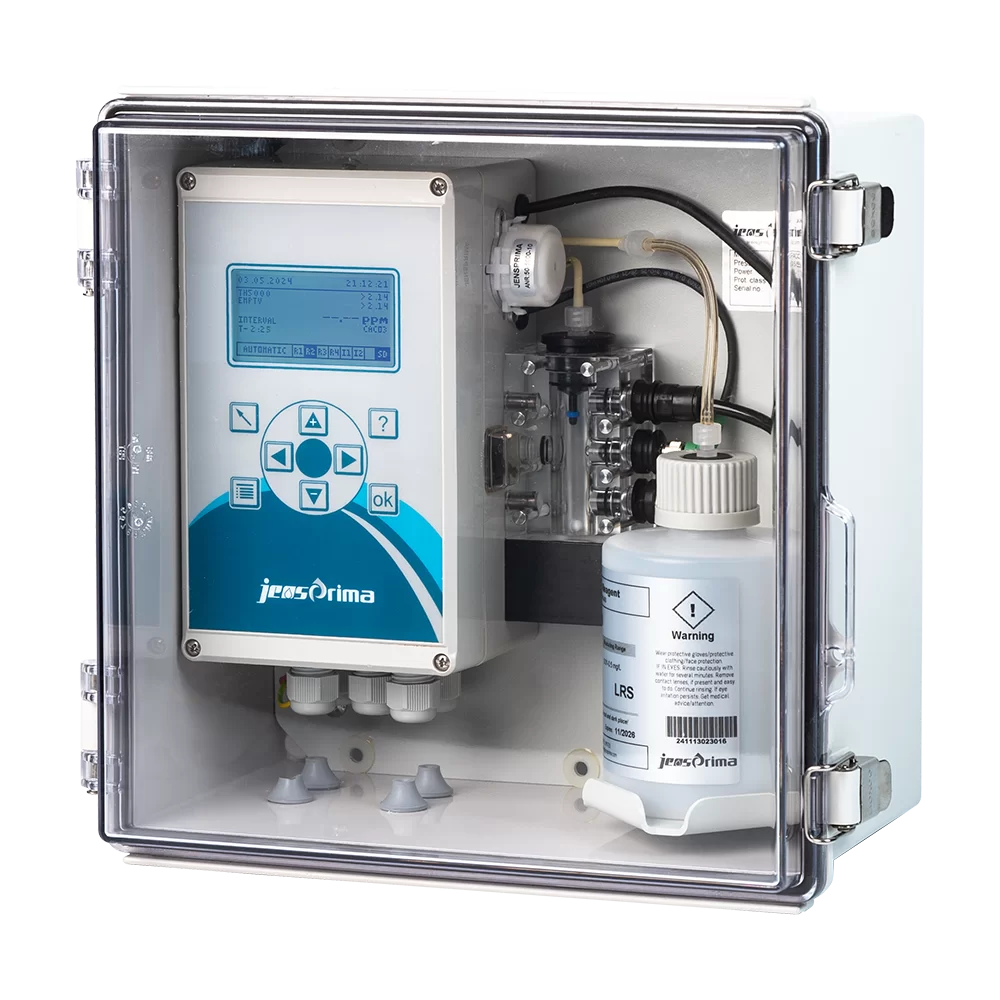
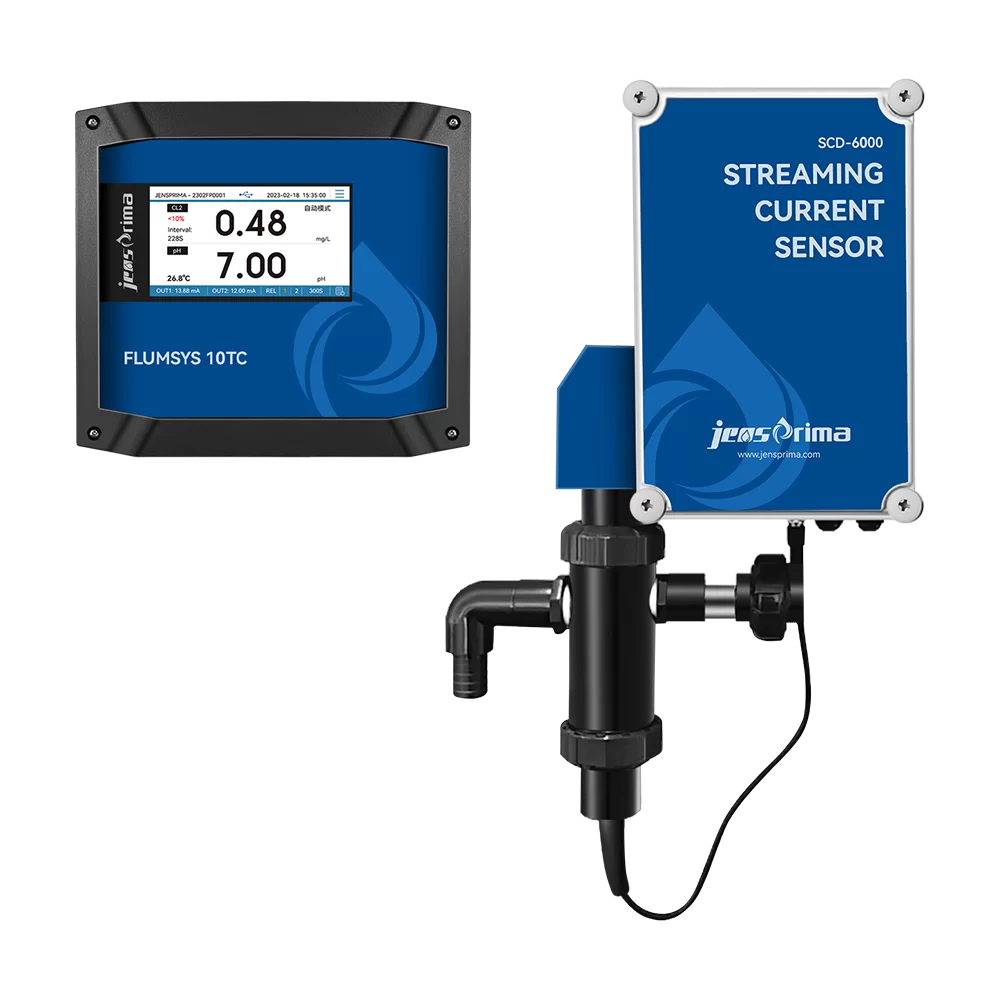
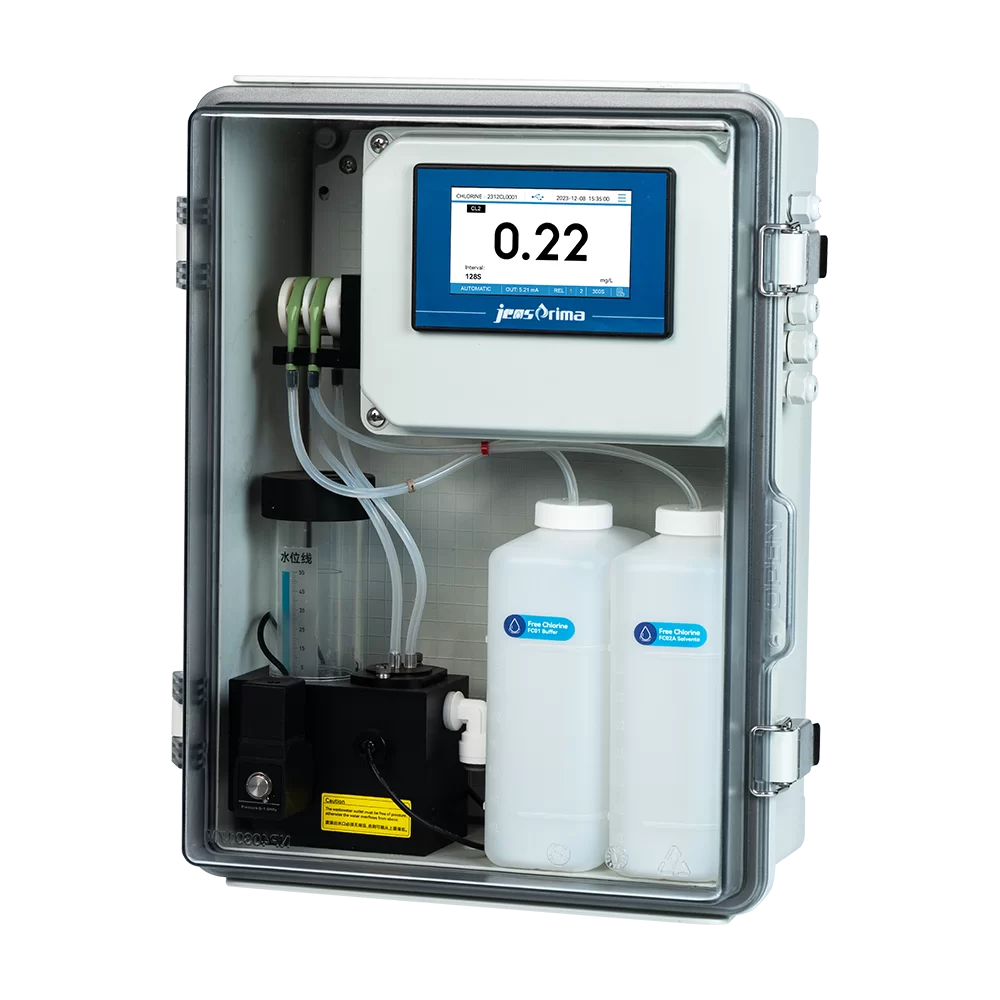
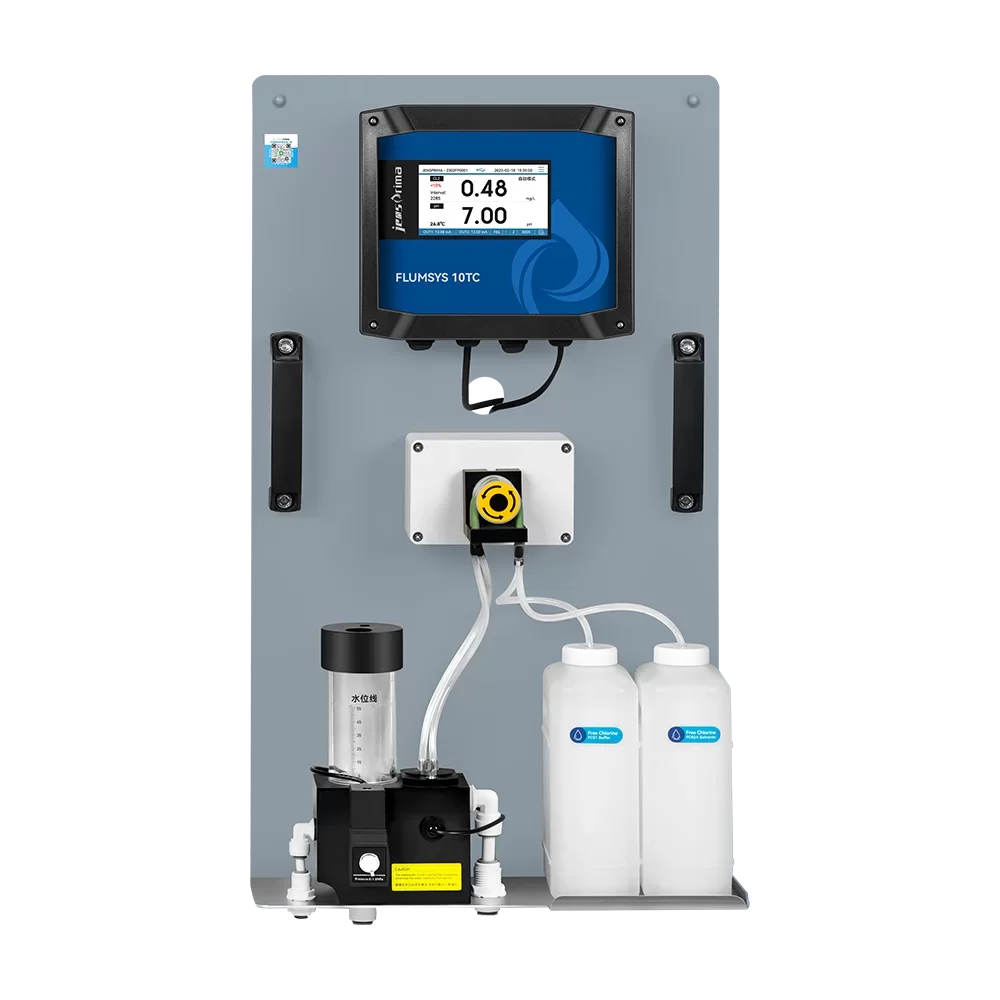
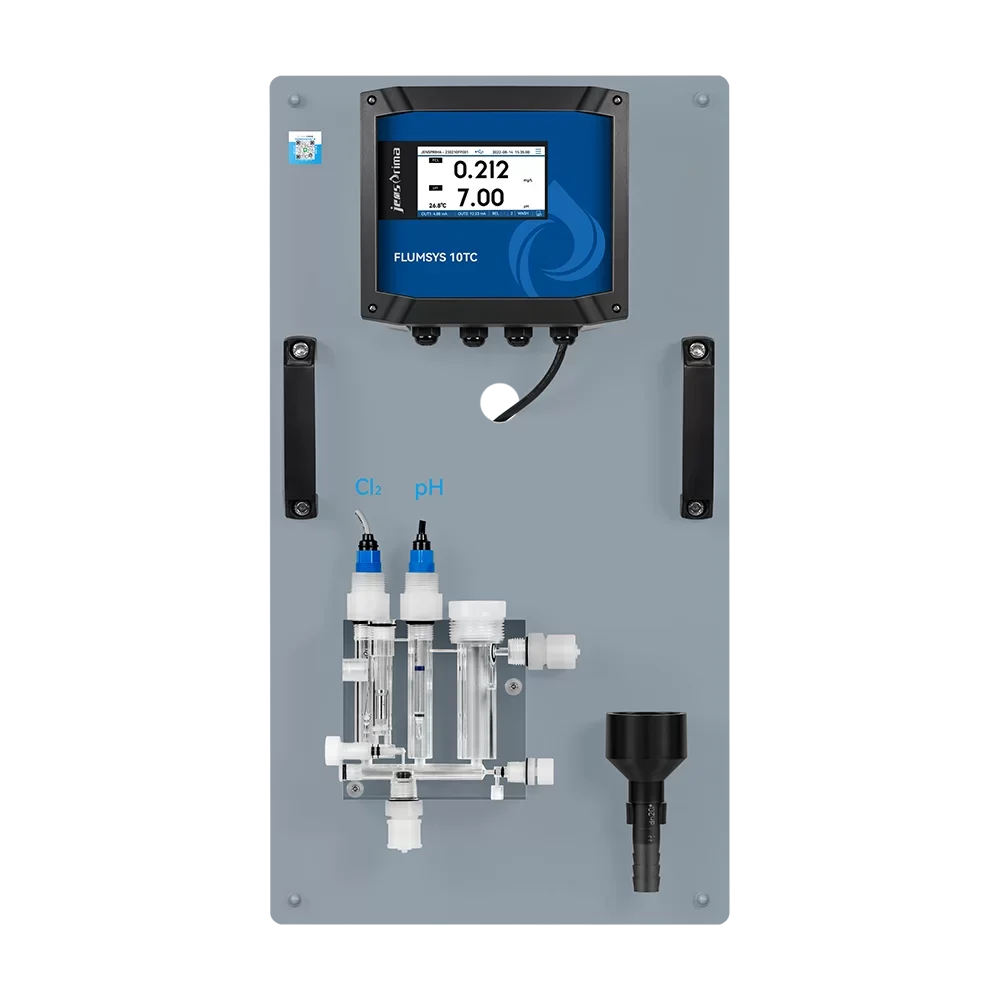
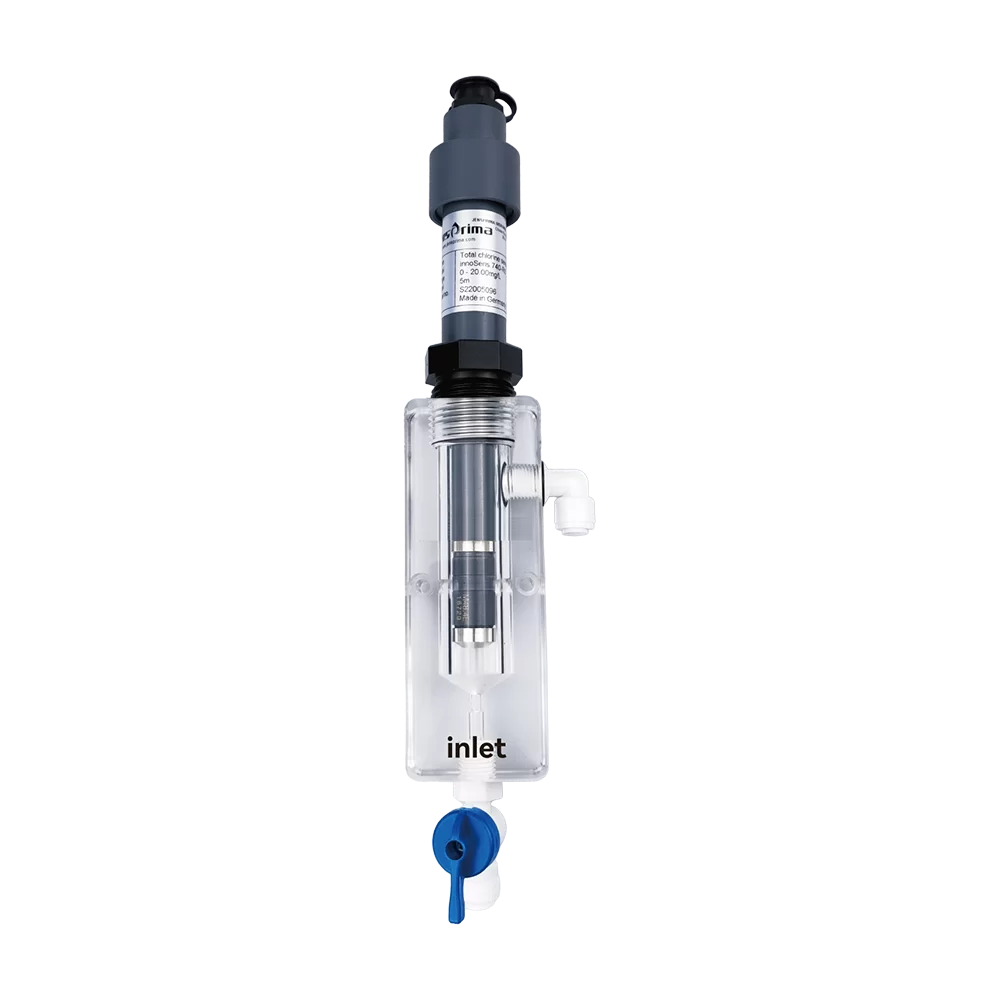
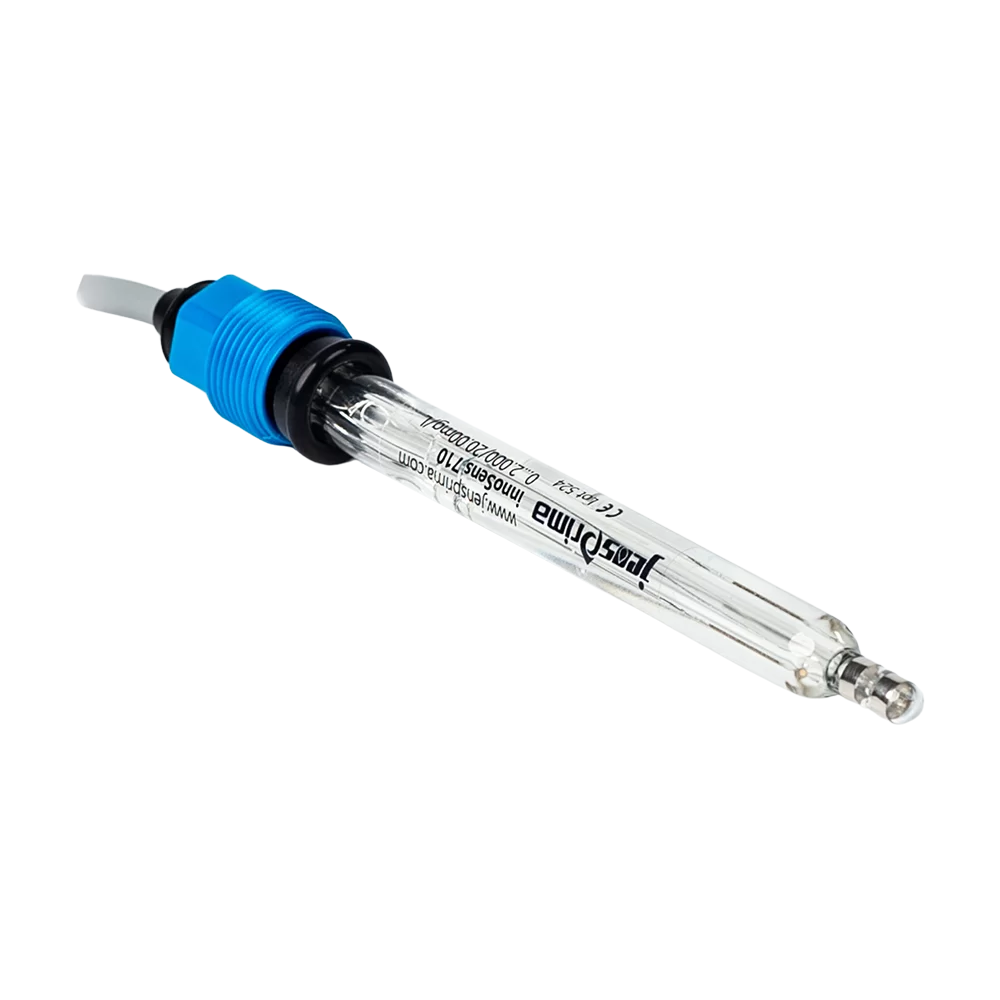
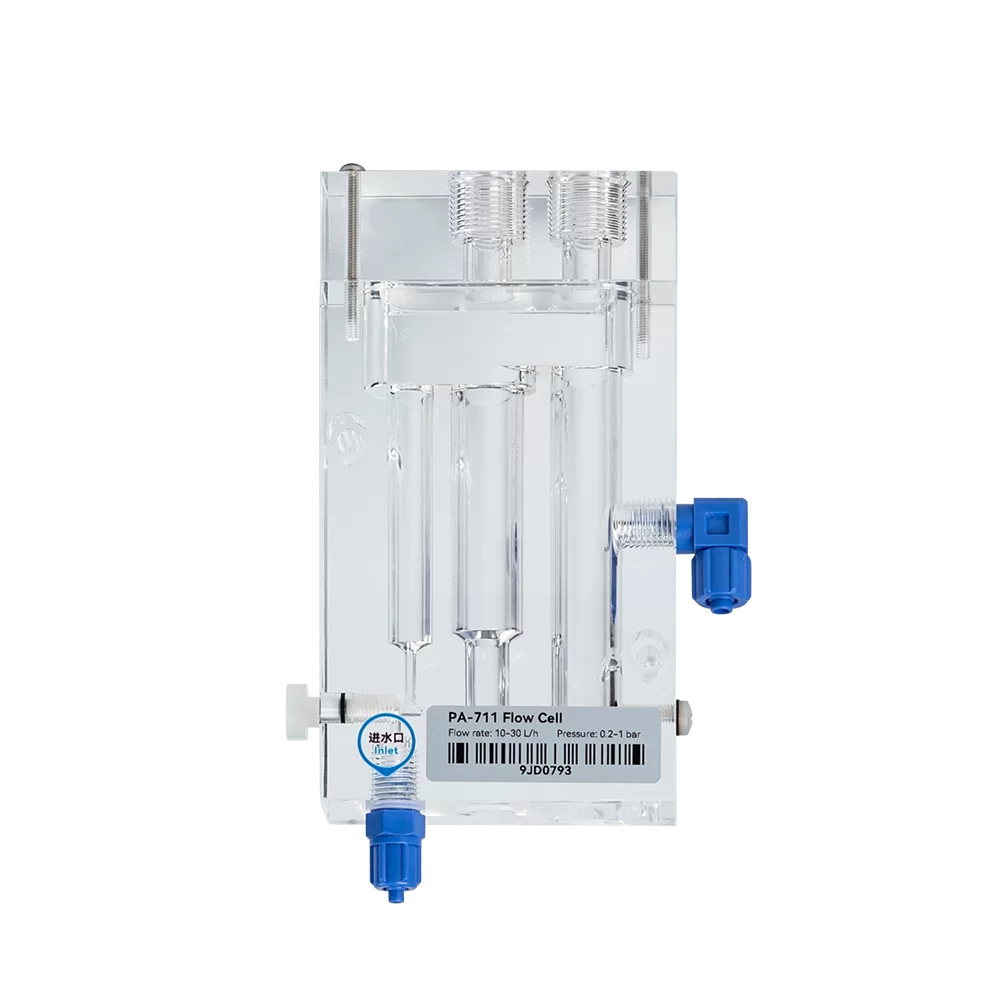
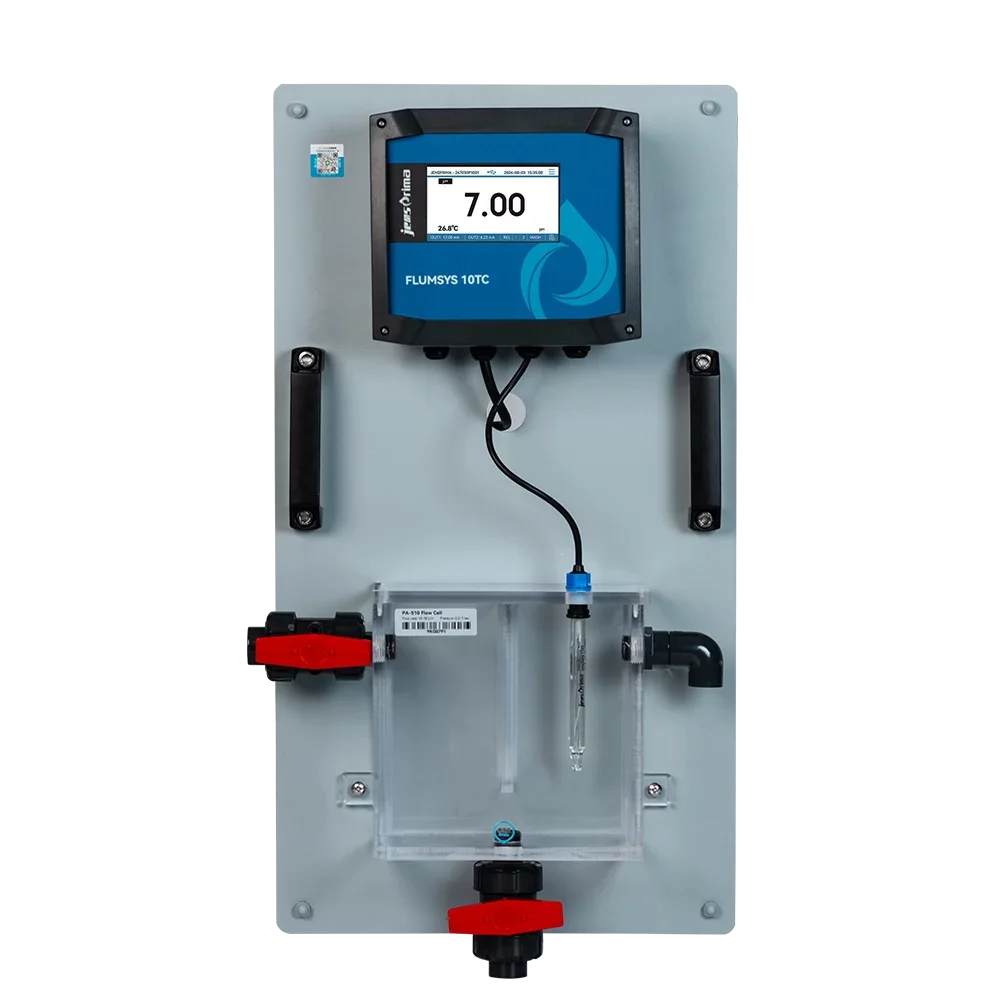
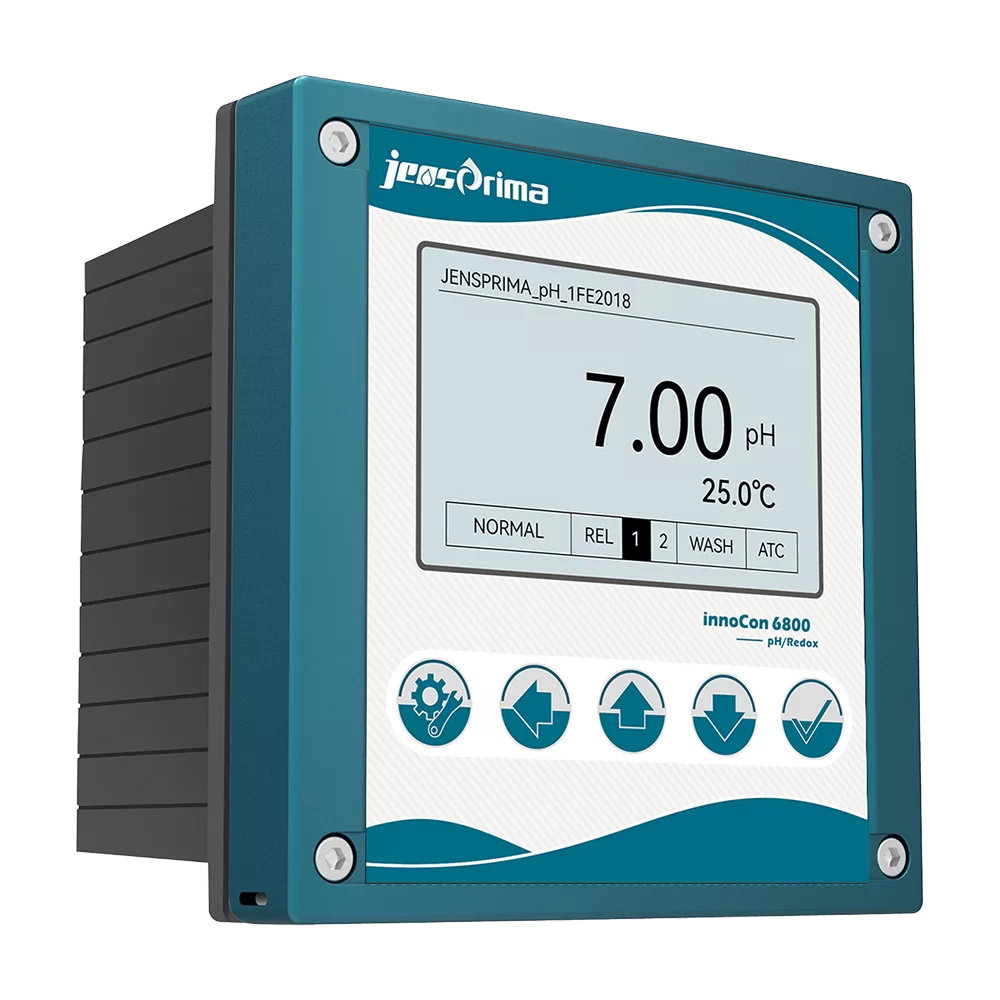
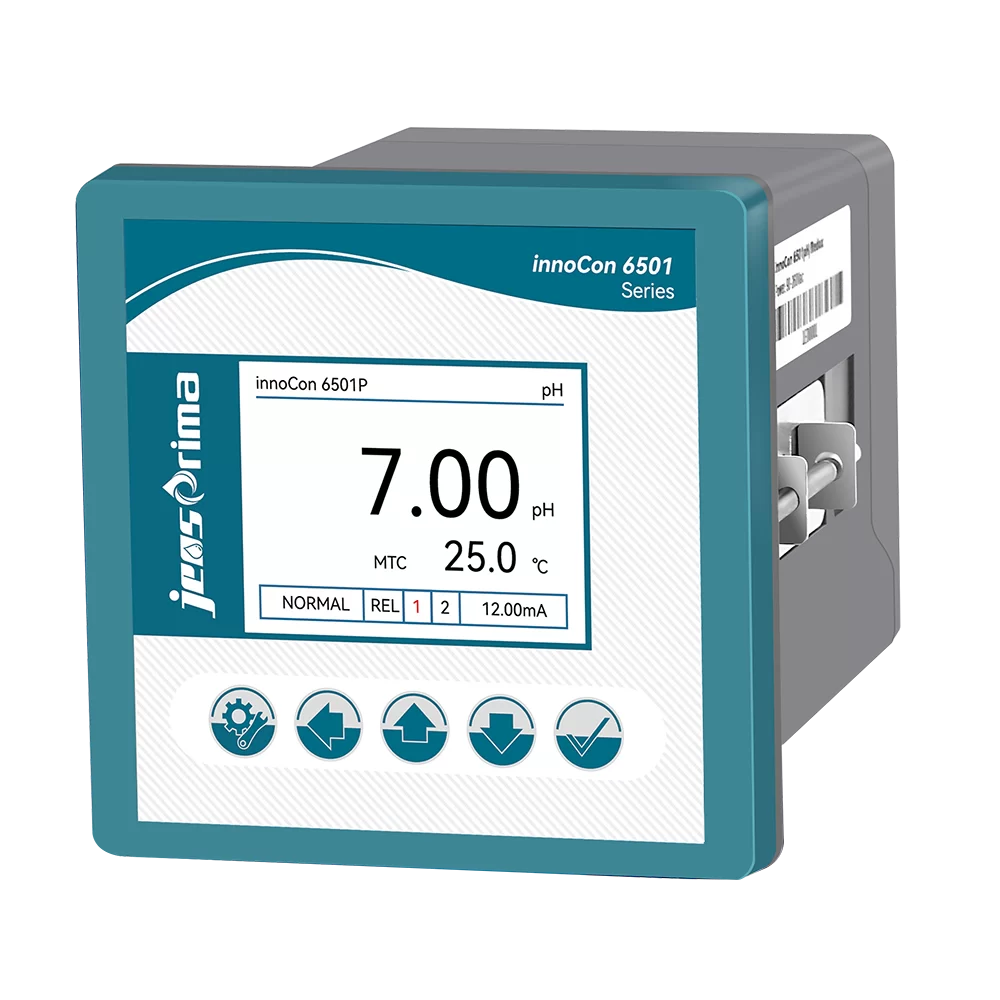
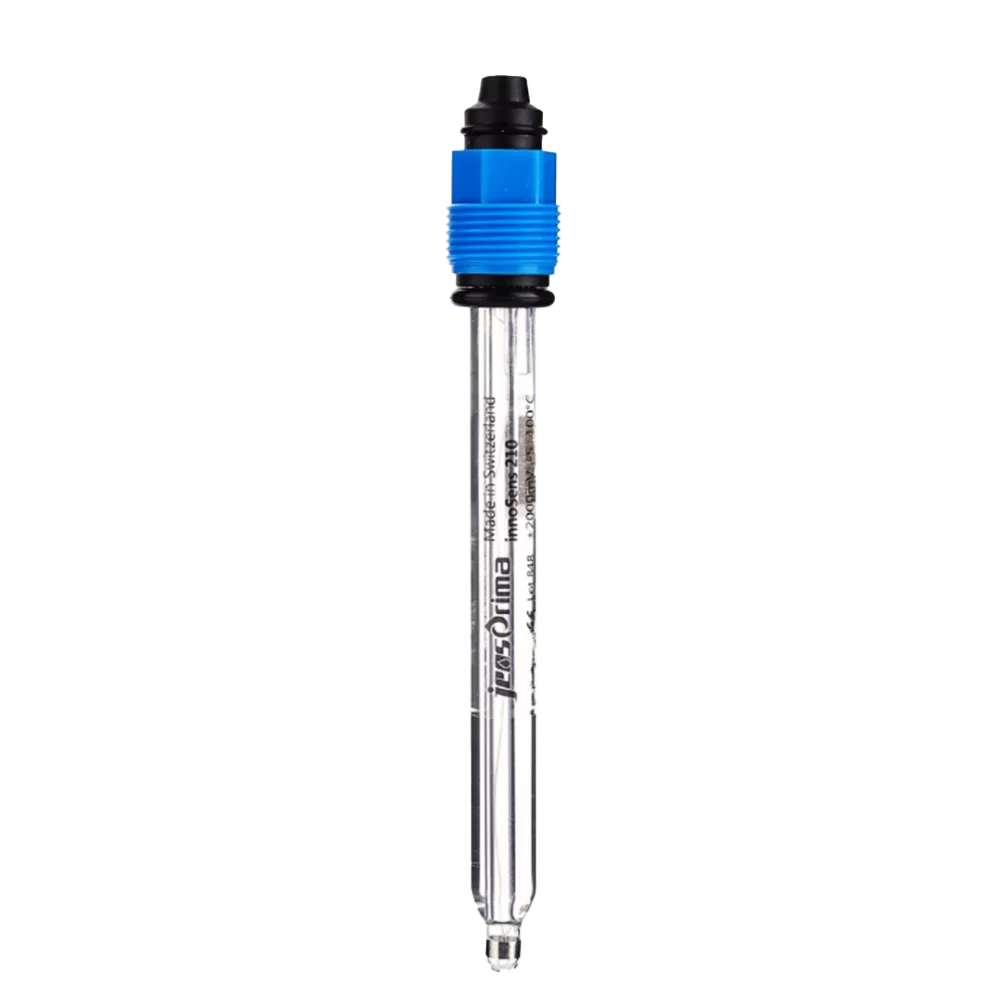
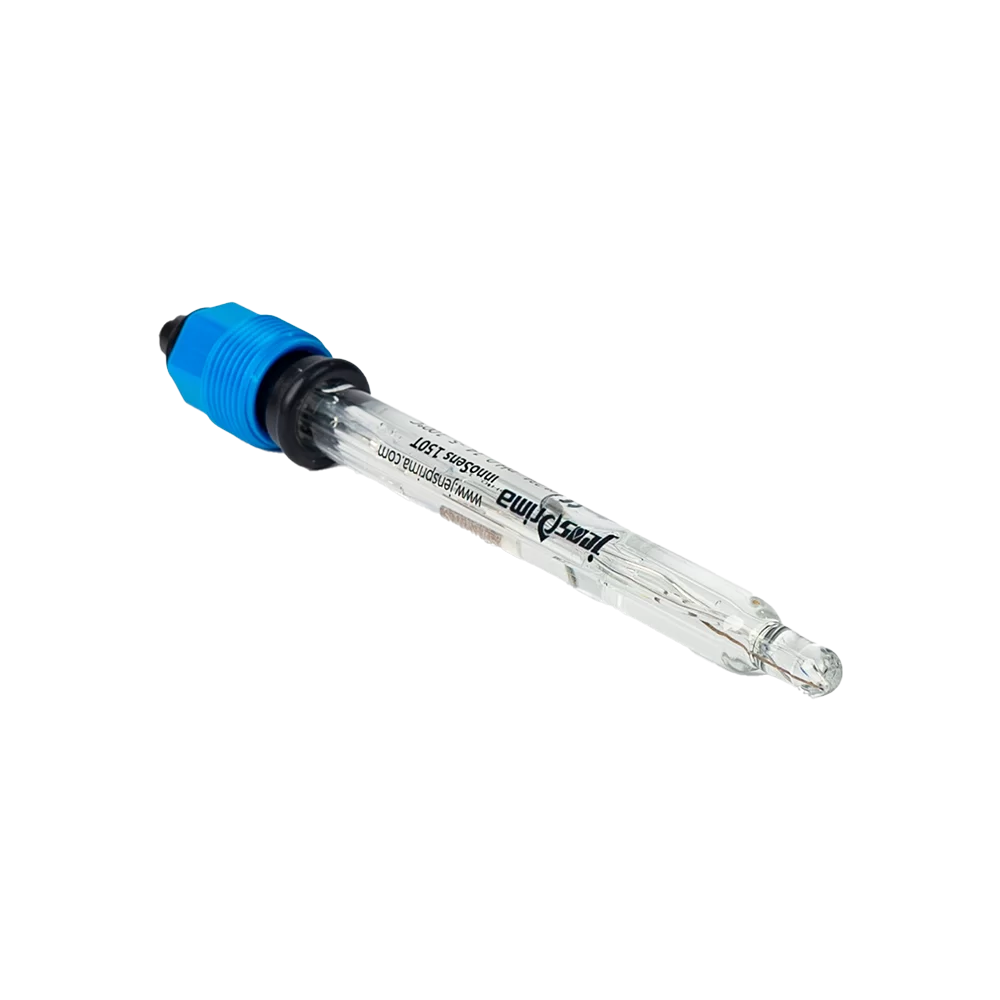
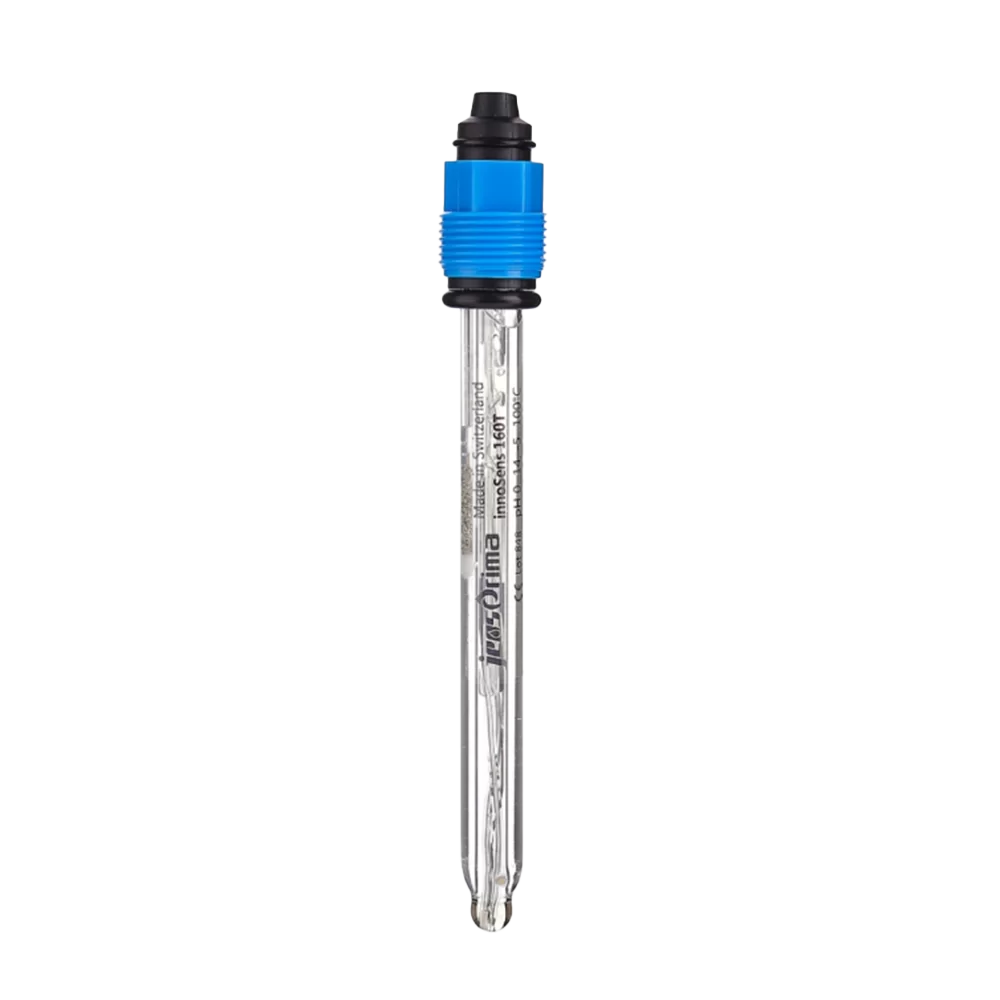
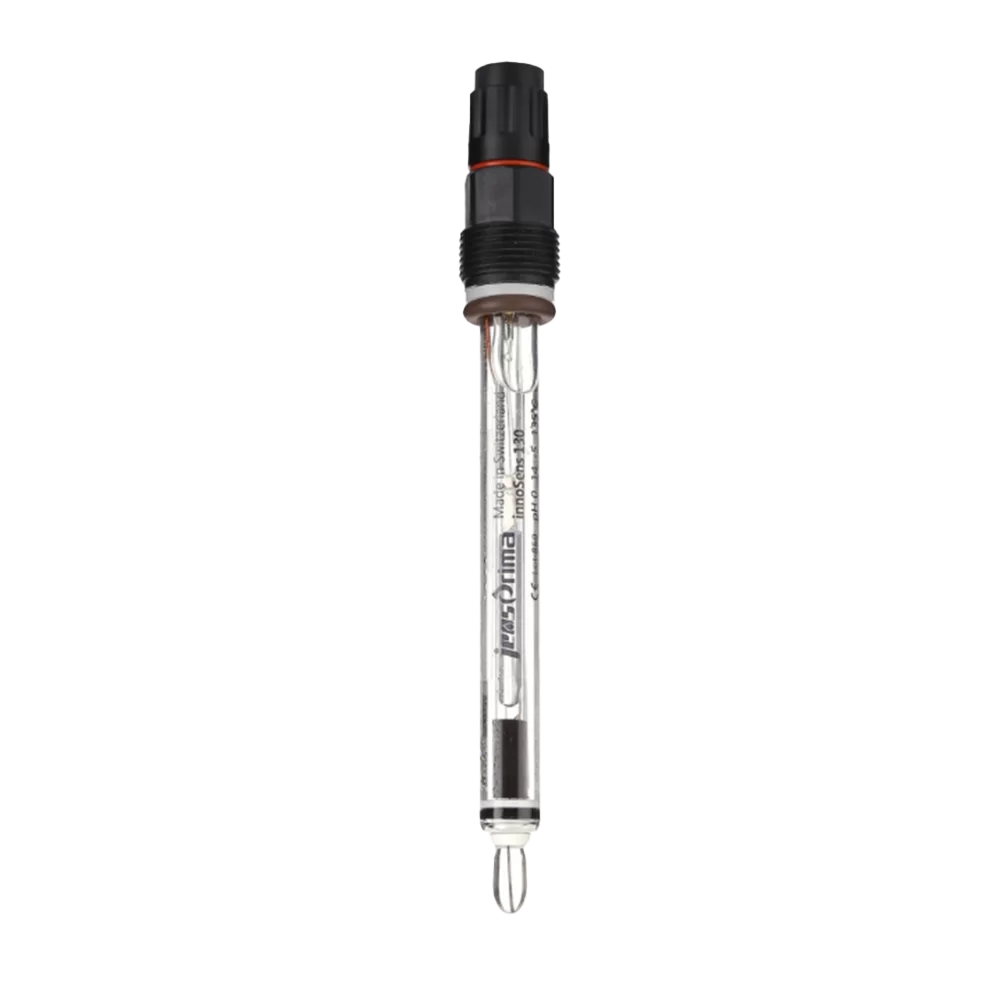
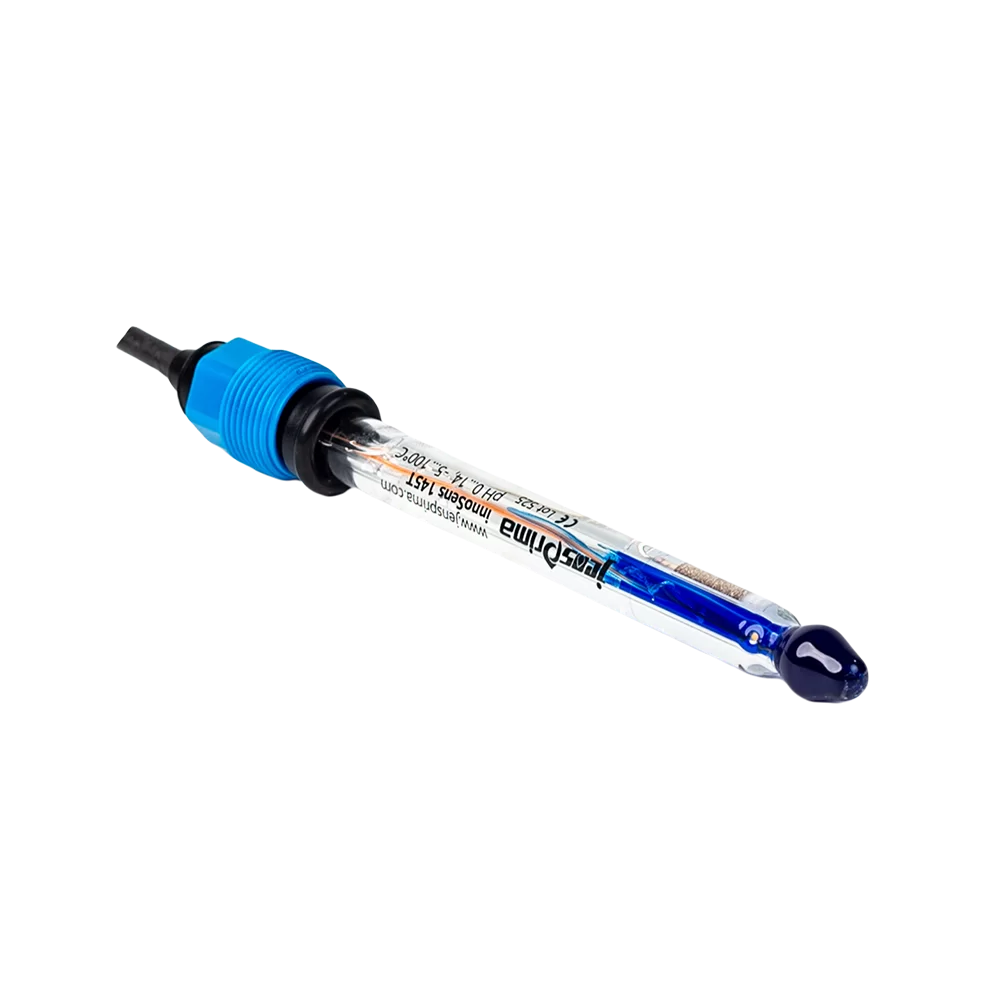
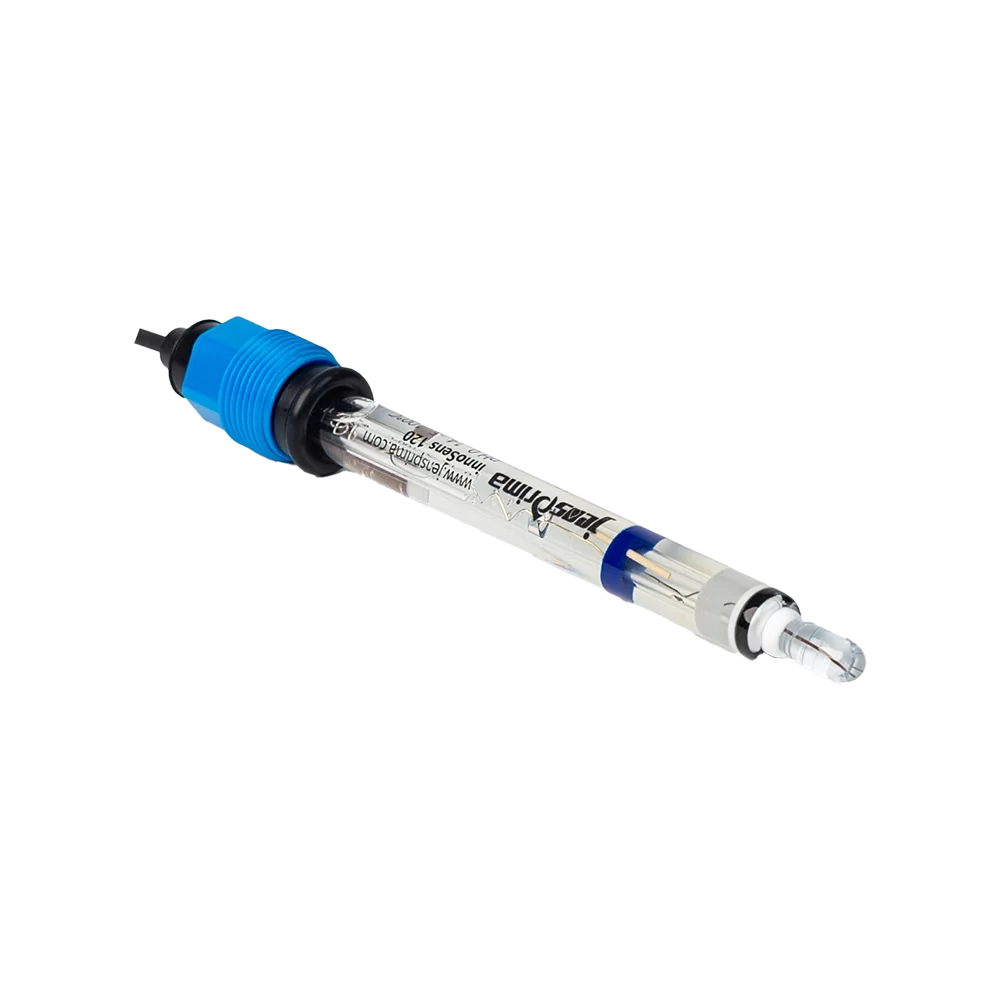
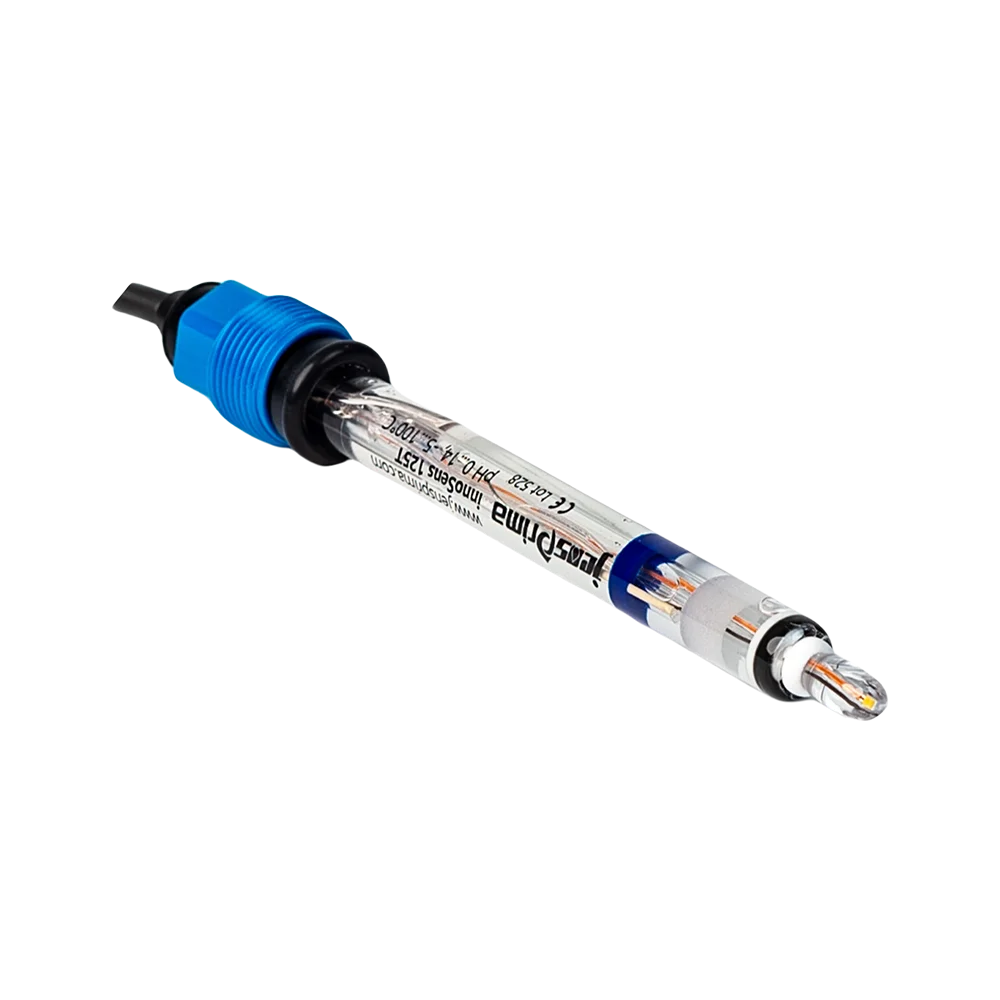
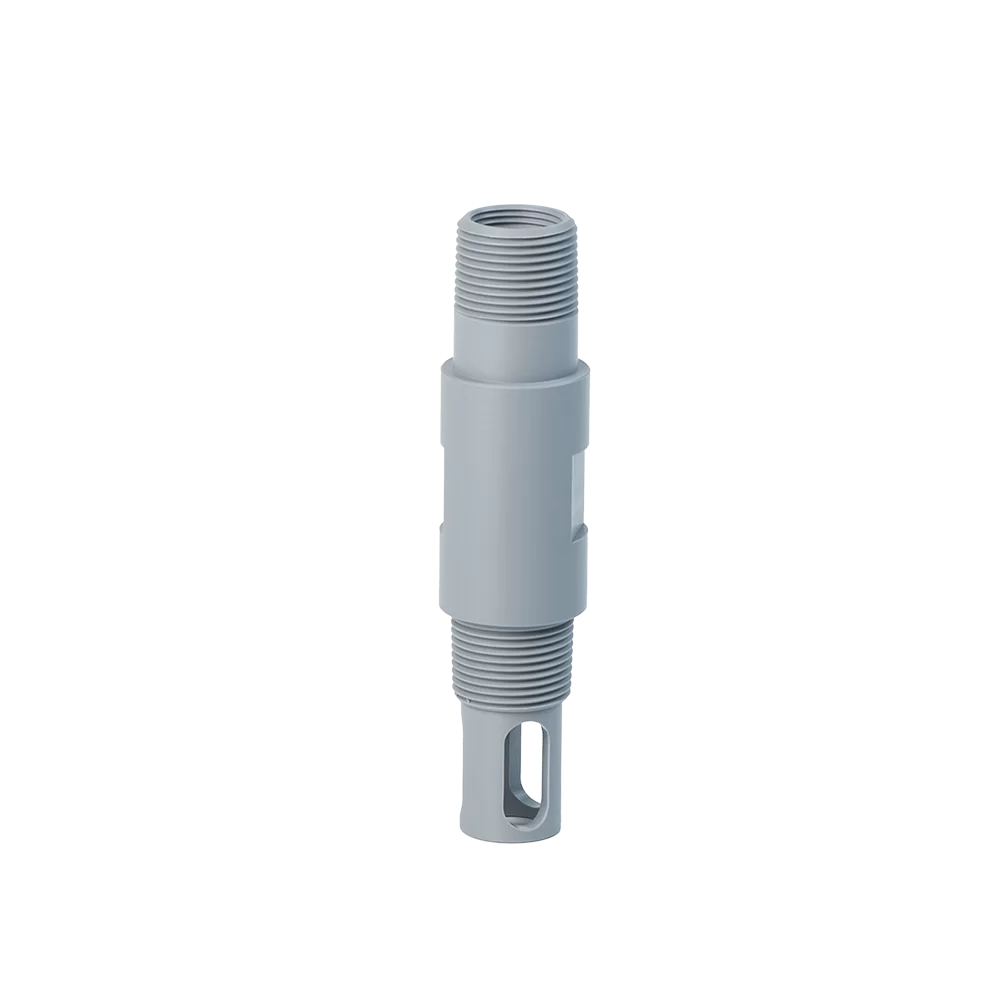
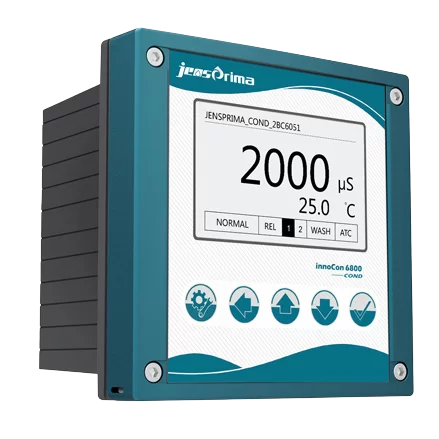
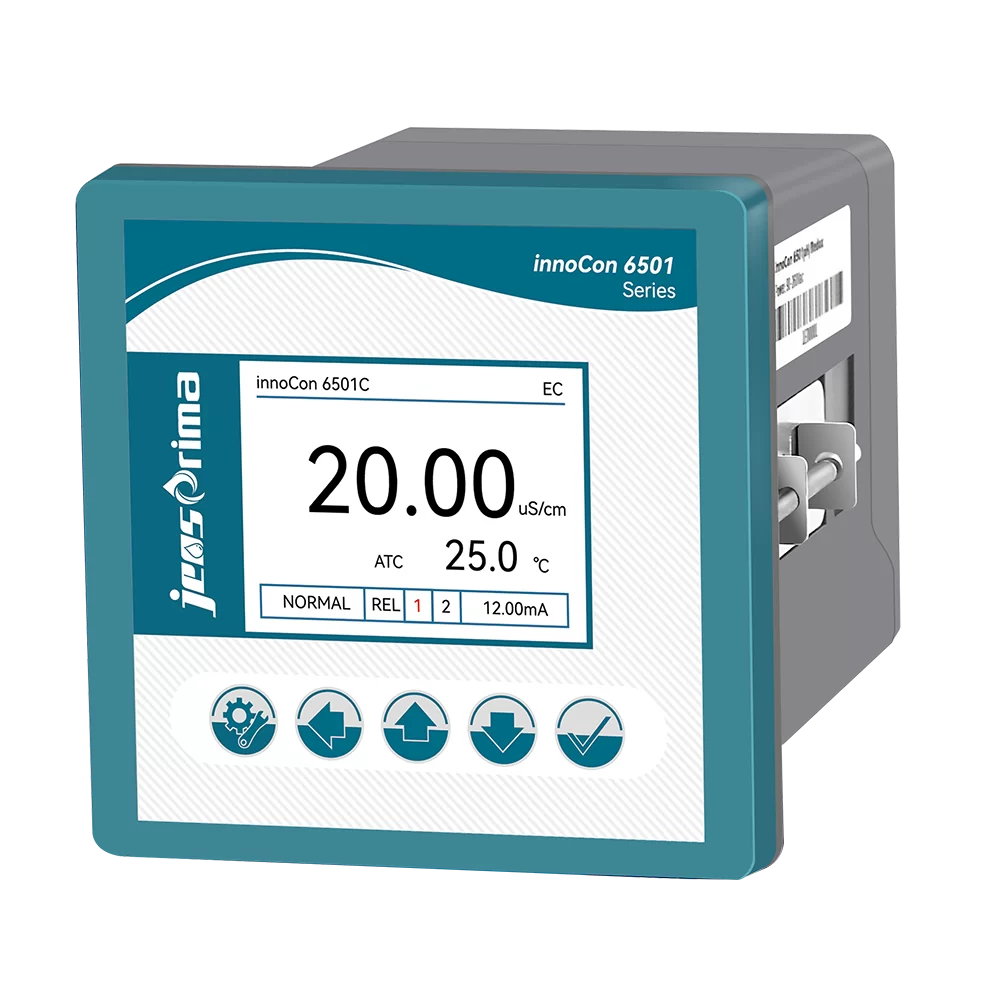
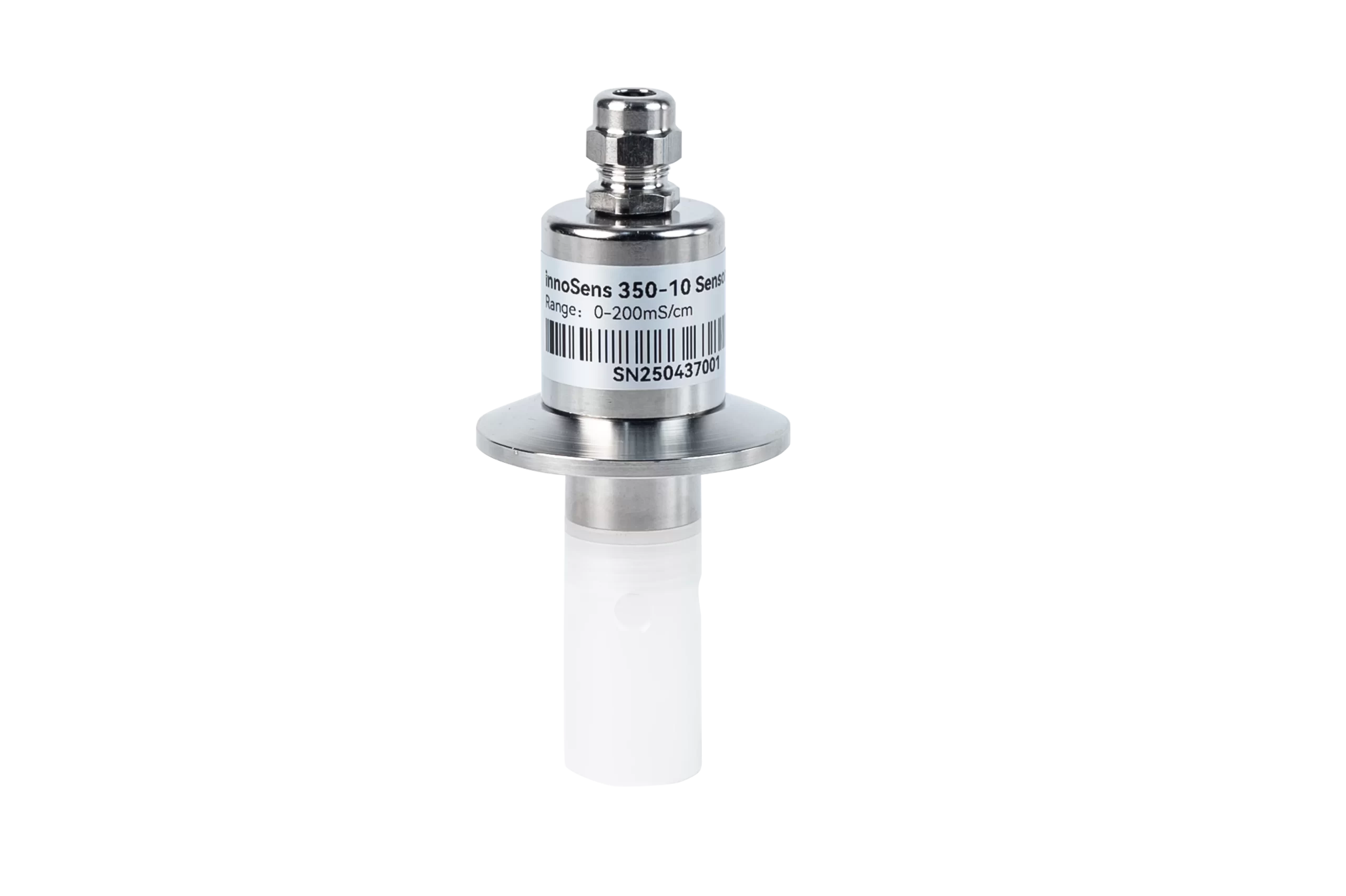
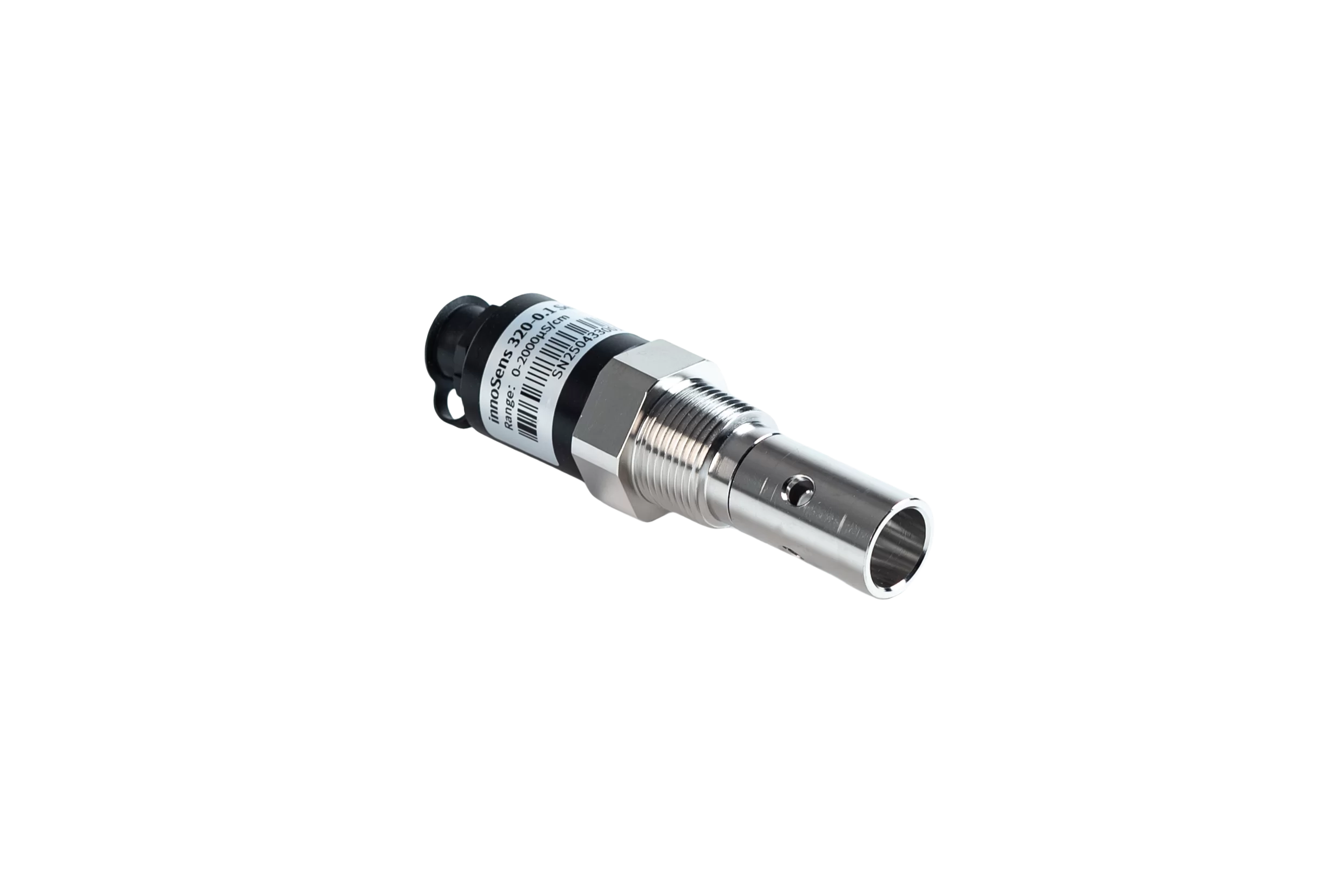
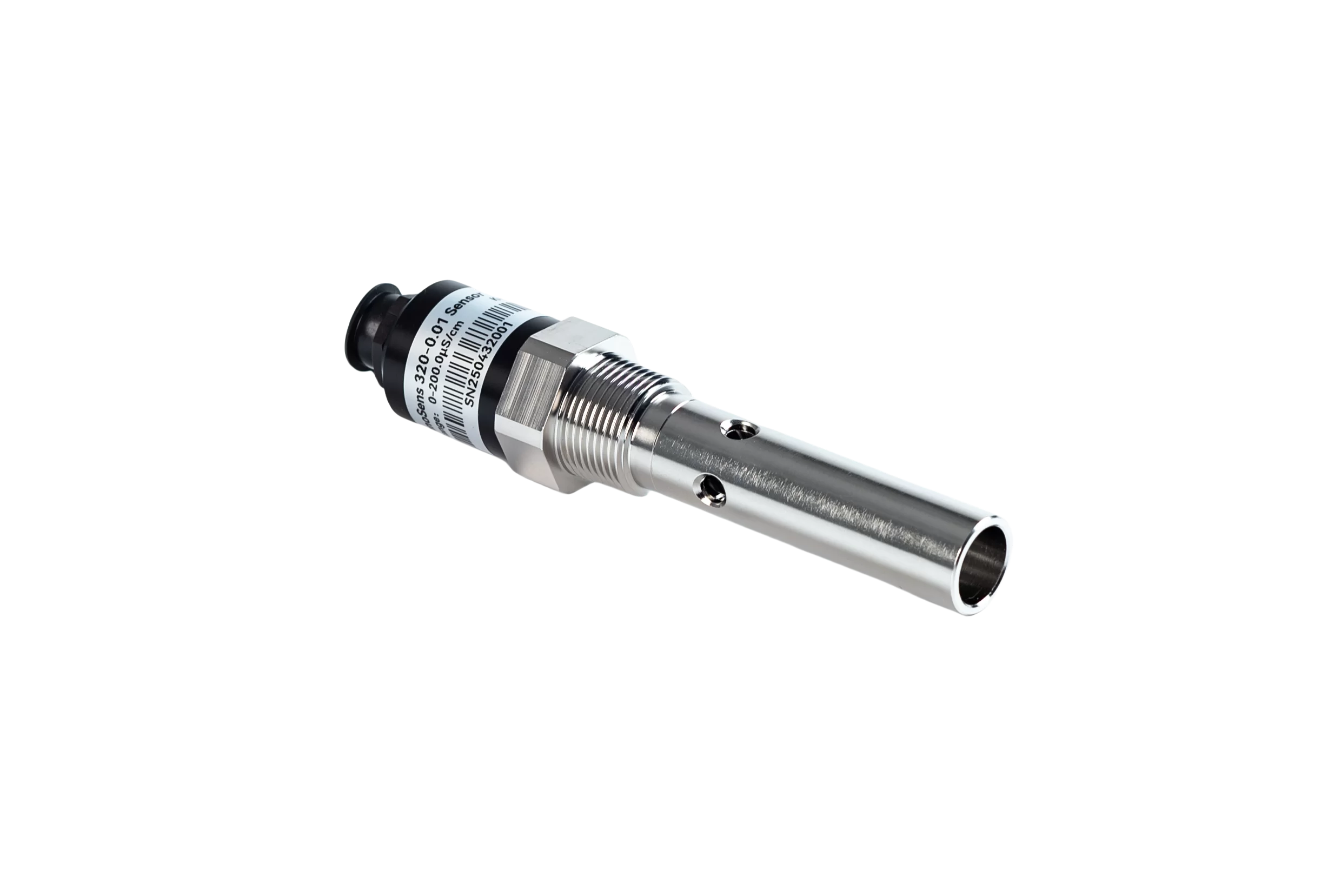
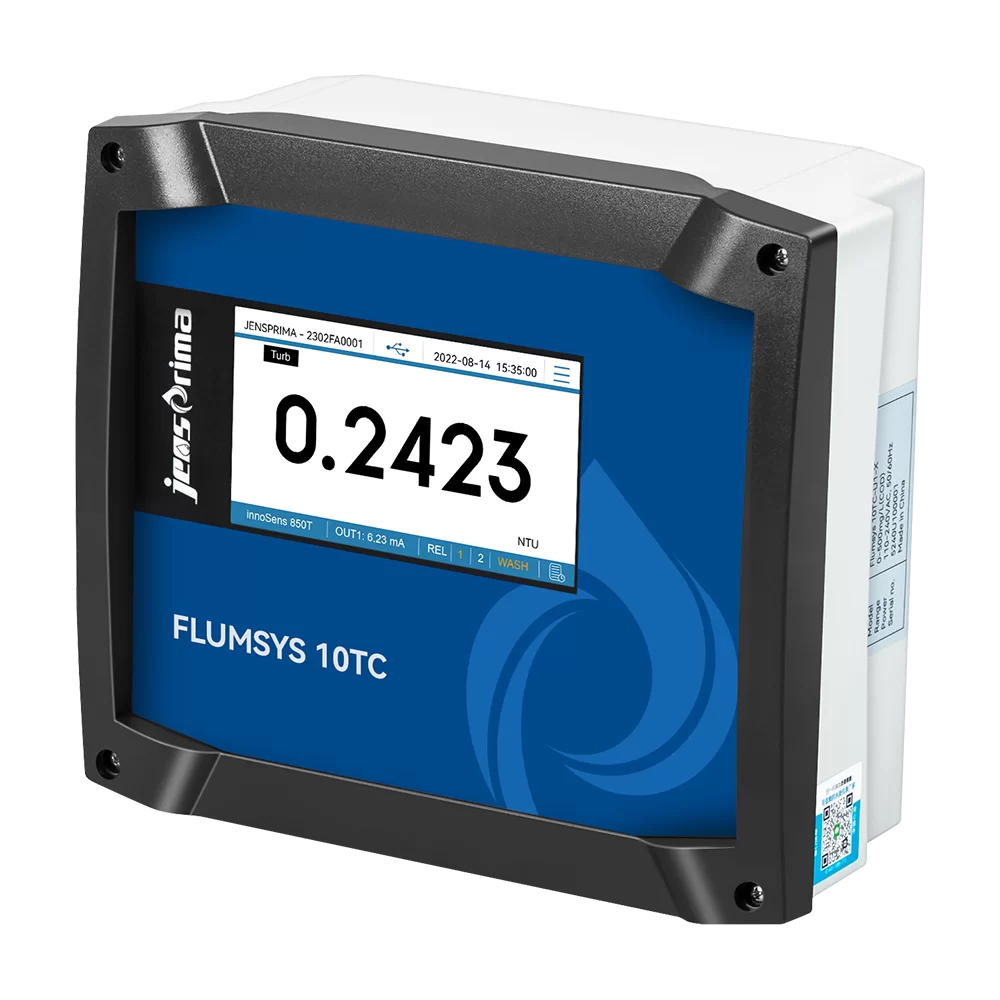
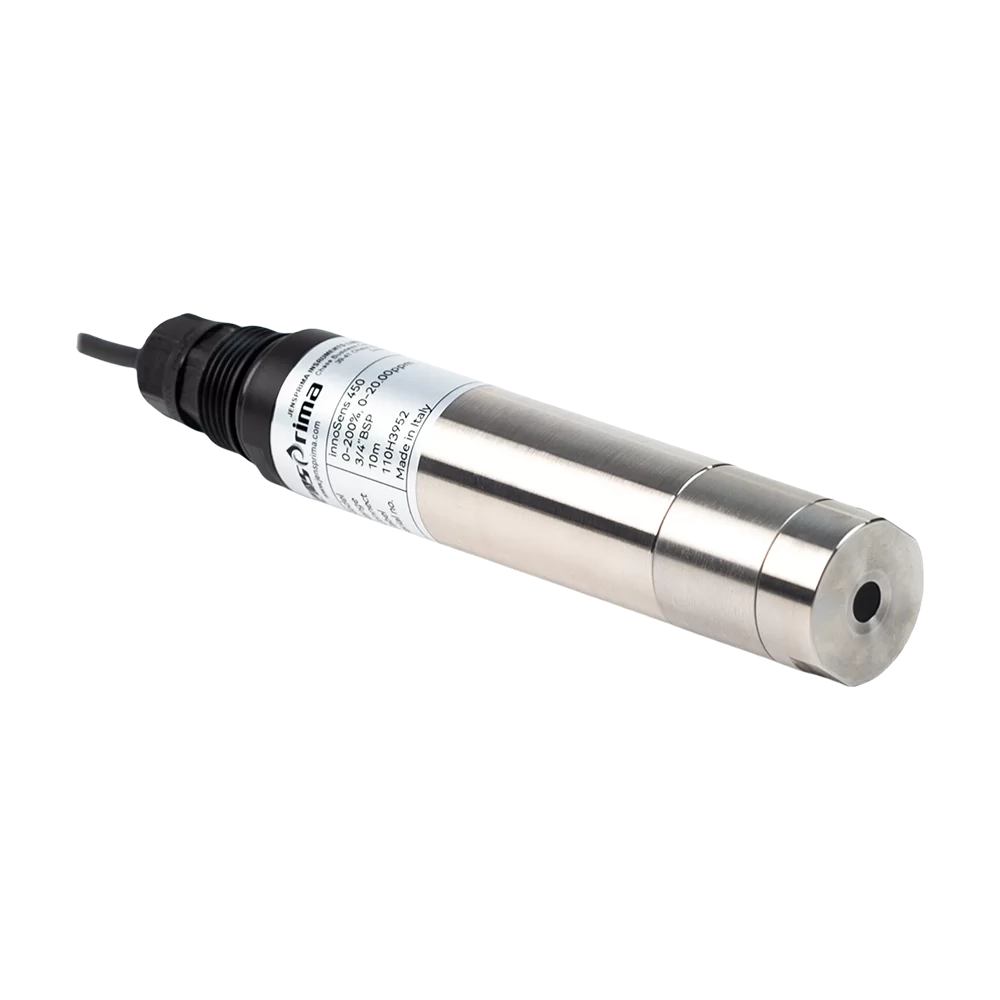
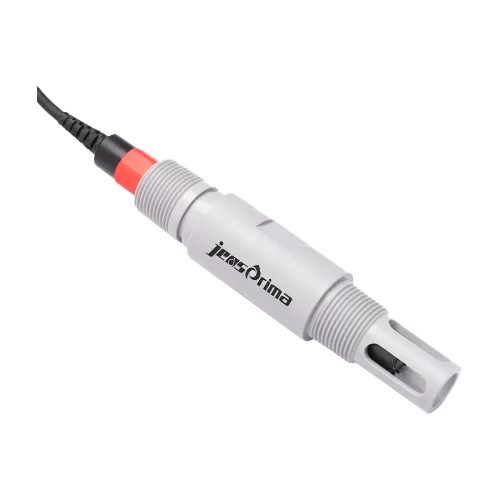
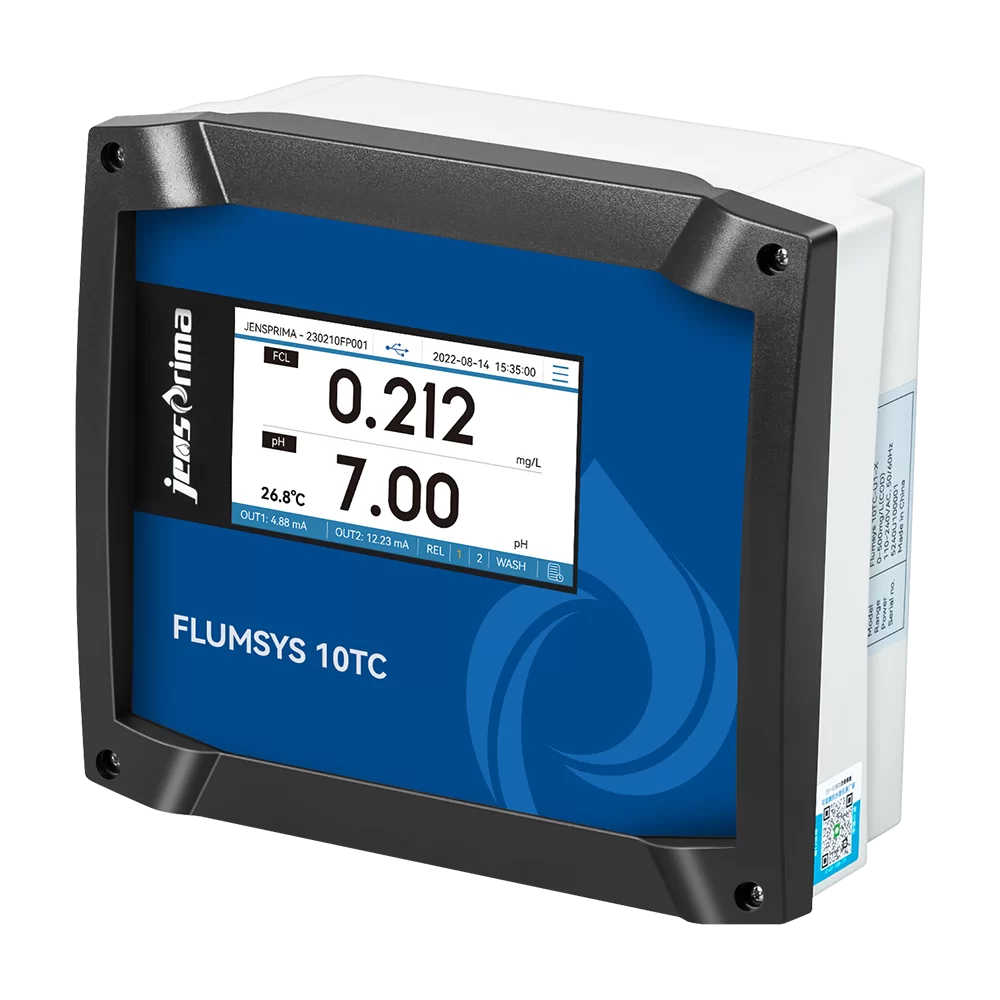
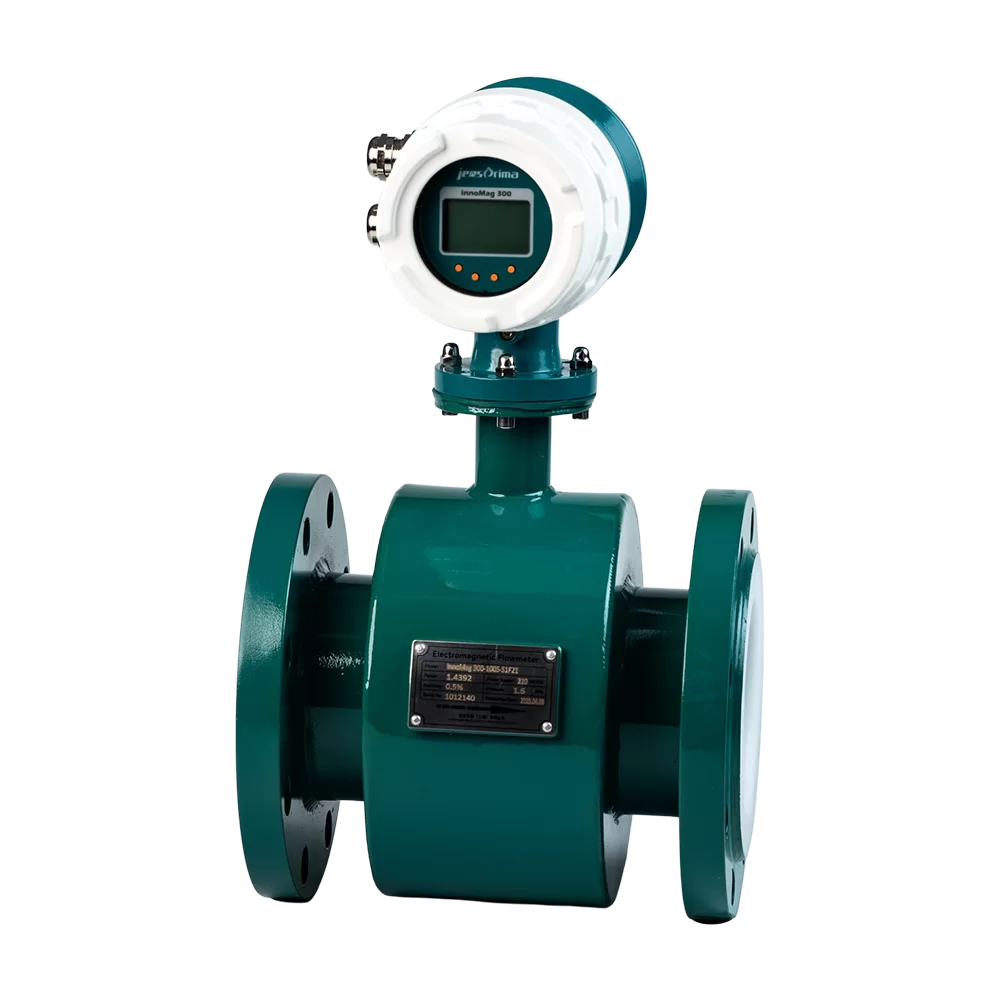
Modern water quality analyzers typically incorporate several key components. These include sensors for measuring parameters such as pH, conductivity, temperature, turbidity, dissolved oxygen, and specific ion concentrations. Signal processing units convert raw sensor data into meaningful readings, while data logging and communication modules enable storage and transmission of results.
The functionality extends beyond simple measurement. Many advanced analyzers offer features like automatic calibration, self-diagnostics, and remote access via cloud-based platforms. These features enhance efficiency, reduce maintenance requirements, and facilitate data-driven decision-making. The integration of GPS technology allows for precise location tagging of measurements, enabling detailed spatial analysis.
Different types of analyzers utilize various analytical techniques. Spectrophotometry, electrochemical methods, chromatography, and mass spectrometry are commonly employed to detect and quantify specific pollutants. Selecting the appropriate technique depends on the target analyte and the desired level of accuracy.
Key Factors Influencing Performance
Several key factors influence the performance and reliability of a water quality analyzer. Accuracy and precision are paramount, dictating the quality of the data obtained. This is heavily reliant on the quality of the sensors, the calibration procedures, and the overall design of the instrument.
Durability and robustness are critical, particularly for field-deployable analyzers that operate in harsh environmental conditions. Resistance to corrosion, temperature fluctuations, and physical impact are essential for ensuring long-term functionality and minimal downtime.
Comparative Analysis of Water Quality Analyzer Methods
Global Applications and Real-World Use Cases
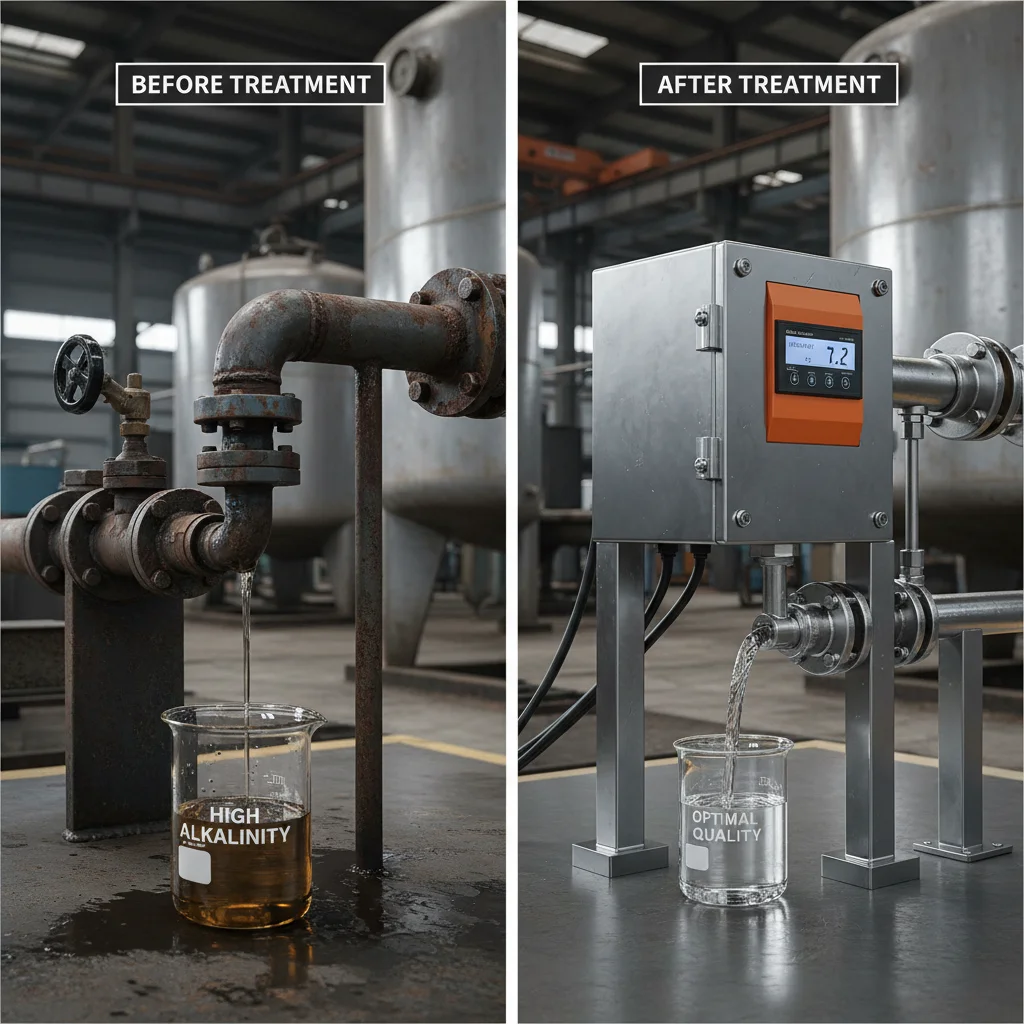
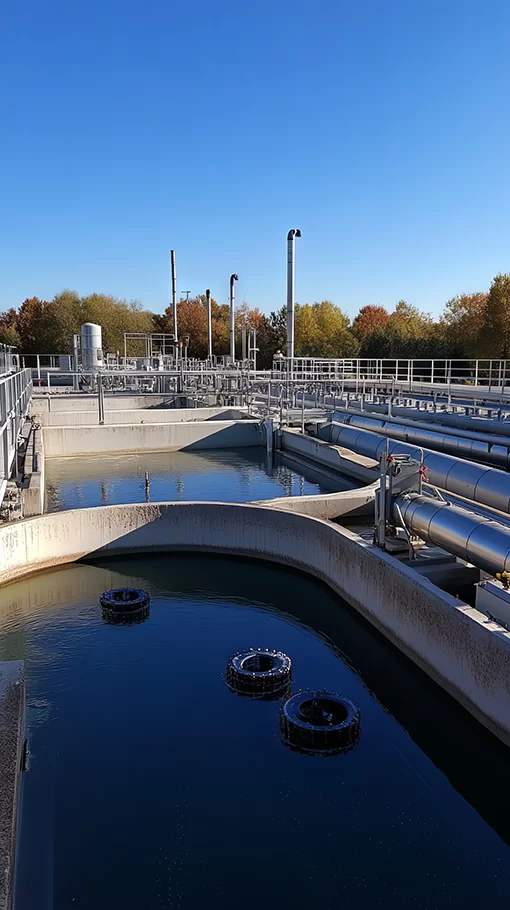
The applications of water quality analyzers are incredibly diverse. In municipal water treatment plants, they continuously monitor the effectiveness of purification processes, ensuring that drinking water meets stringent safety standards. Industrial facilities use them to comply with environmental regulations regarding wastewater discharge.
In post-disaster relief operations, portable water quality analyzers are invaluable for rapidly assessing the potability of water sources and identifying potential health hazards. Similarly, in remote industrial zones, where access to centralized laboratories is limited, field-deployable analyzers provide essential on-site monitoring capabilities.
Advantages and Long-Term Value Proposition
Investing in high-quality water quality analyzers offers substantial advantages, extending beyond mere compliance. Accurate data minimizes the risk of costly errors, such as ineffective treatment processes or regulatory fines. Reduced operational costs result from optimized resource allocation and proactive maintenance.
The long-term value lies in the protection of public health and the environment. By identifying and mitigating water quality issues, these analyzers contribute to sustainable water management practices, safeguarding this vital resource for future generations. The peace of mind derived from knowing water sources are safe and reliable is immeasurable.
Furthermore, the data generated can drive innovation in water treatment technologies and contribute to a more resilient and sustainable water infrastructure.
Future Trends and Technological Innovations
The future of water quality analyzer technology is focused on miniaturization, automation, and real-time data integration. The development of advanced sensors capable of detecting a wider range of contaminants with greater sensitivity is a key area of research.
Integration with artificial intelligence (AI) and machine learning (ML) algorithms will enable predictive analytics, allowing for proactive identification of potential water quality issues before they escalate. The use of drone-based monitoring systems equipped with water quality analyzers is also gaining traction, providing a cost-effective and efficient way to assess water quality over large areas.
Finally, the increasing emphasis on sustainability is driving the development of energy-efficient and eco-friendly analyzers, utilizing renewable power sources and minimizing waste generation.
Key Comparison of Water Quality Analyzer Characteristics
| Analyzer Type |
Parameter Range |
Deployment Flexibility |
Maintenance Requirements |
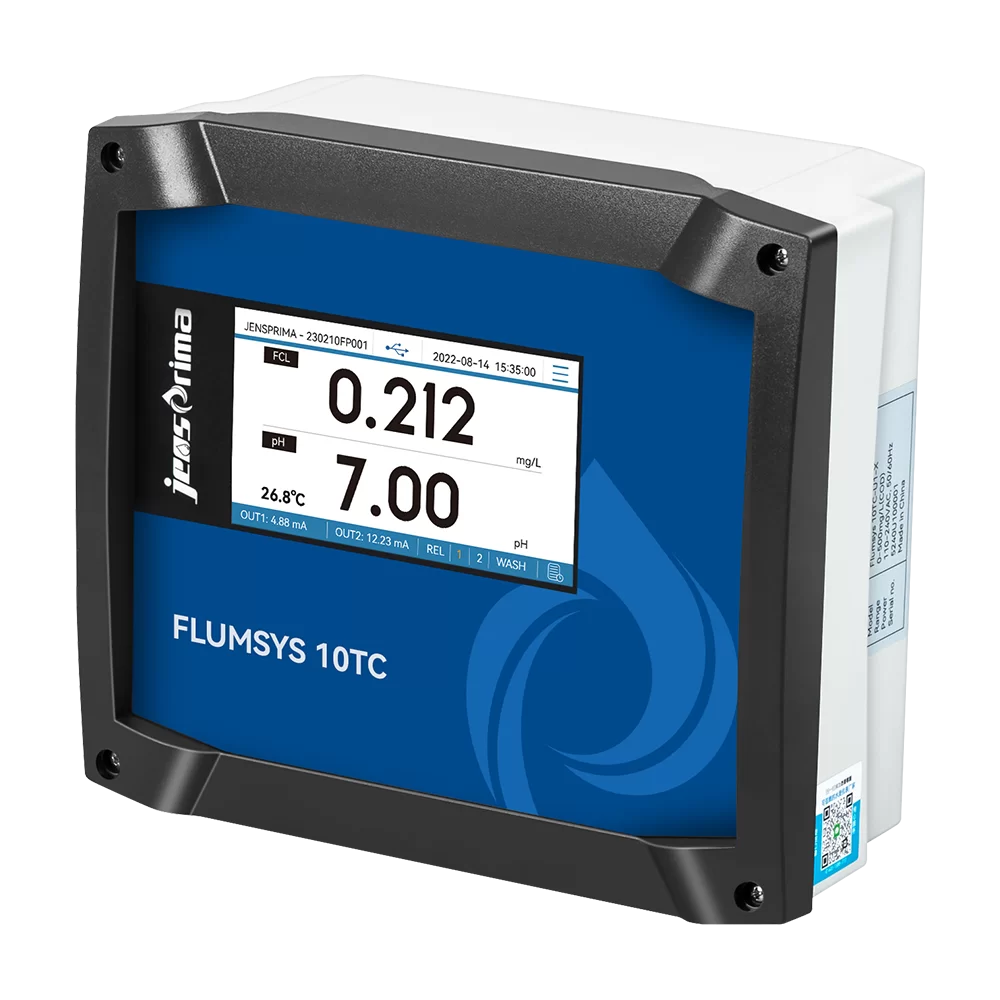
| Portable Multiparameter Probe |
pH, DO, Conductivity, Temperature |
High - Field Deployable |
Low - Periodic Calibration |
| Laboratory Spectrophotometer |
Nitrate, Phosphate, Heavy Metals |
Low - Lab Based |
Medium - Regular Maintenance |
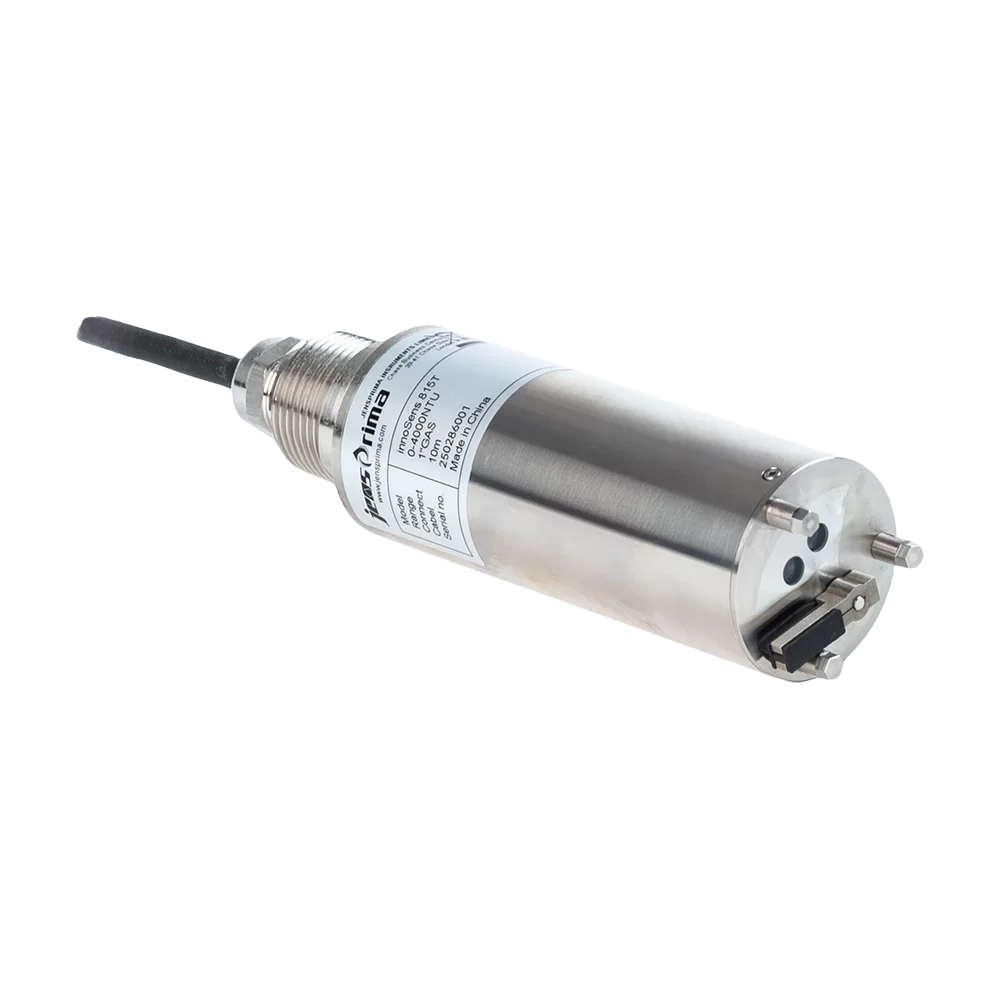
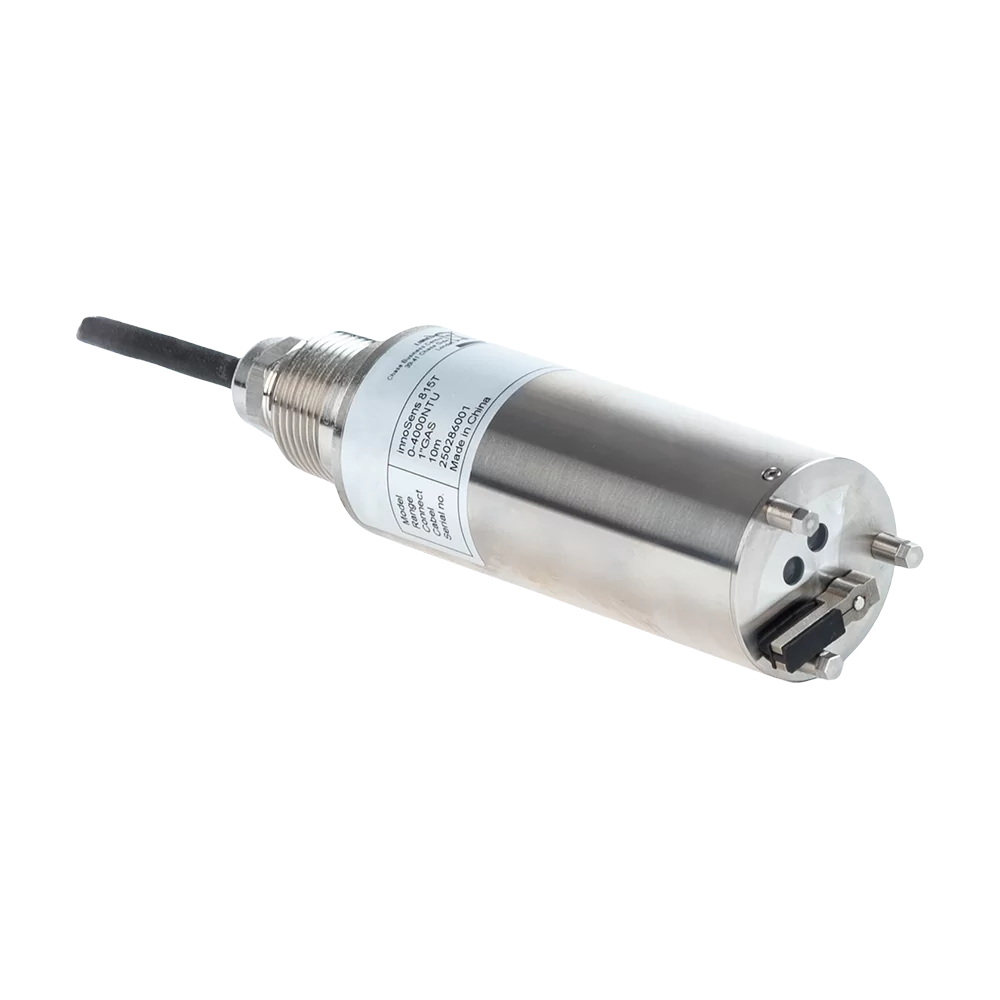
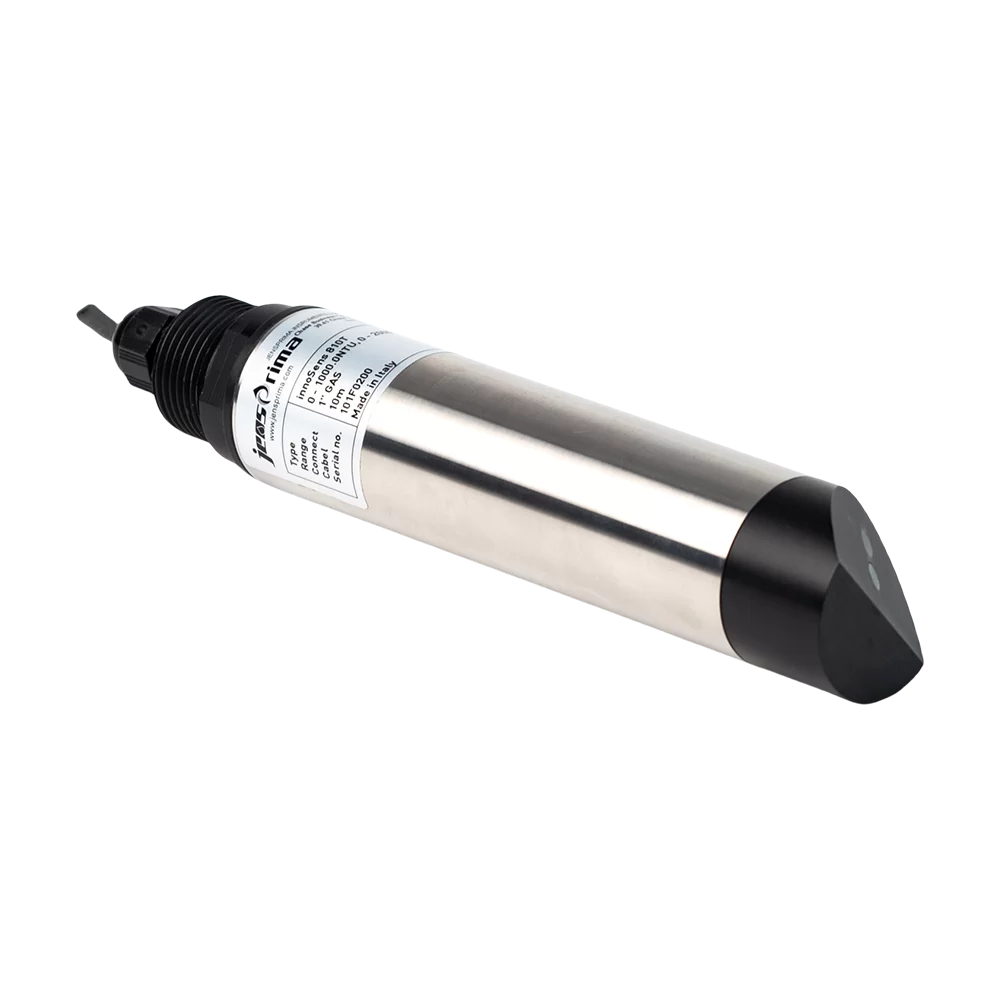
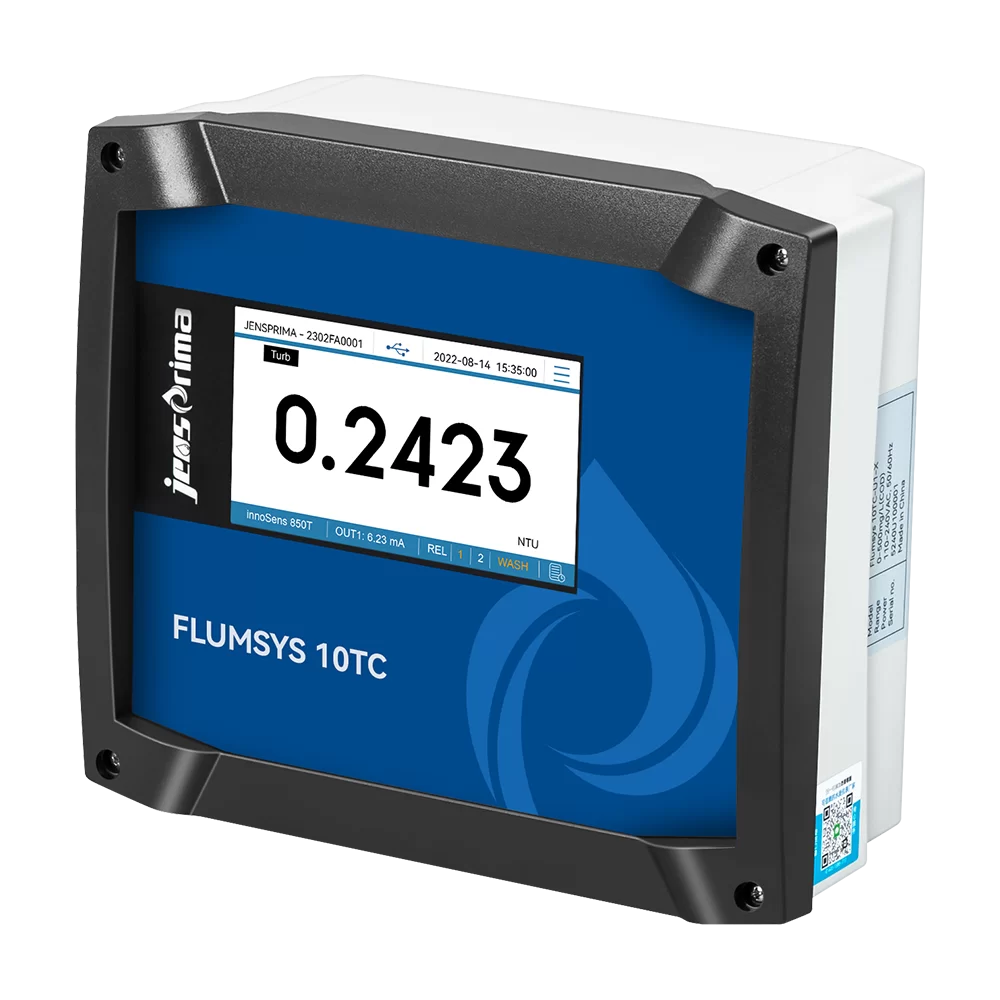
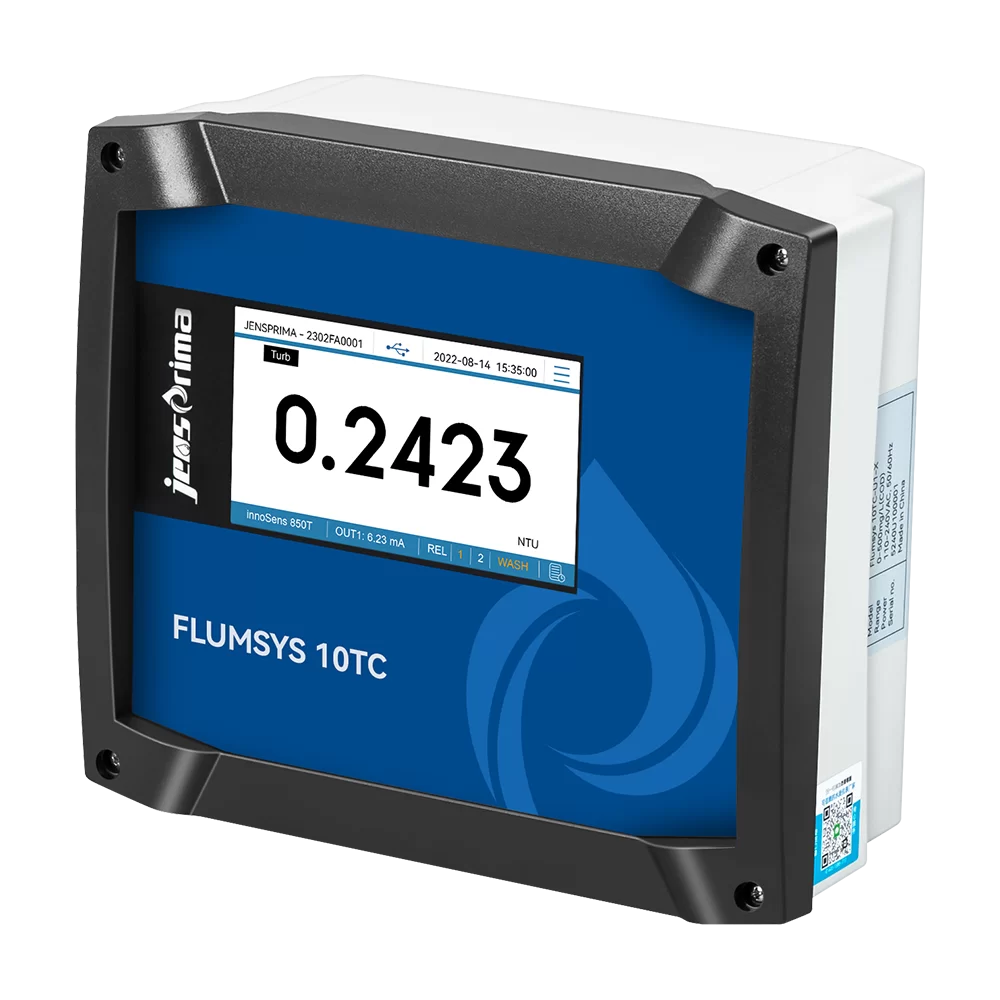
| Online Turbidity Analyzer |
Turbidity (NTU) |
Medium - Fixed Installation |
Medium - Routine Cleaning |
| Ion Selective Electrode (ISE) |
Specific Ion Concentrations (e.g., Fluoride) |
Medium - Field or Lab Use |
Medium - Electrode Replacement |
| Dissolved Gas Analyzer |
Oxygen, Carbon Dioxide, Nitrogen |
Medium - Fixed or Portable |
High - Sensor Calibration and Maintenance |
| Automated Water Sampler with Analyzer |
Multiple Parameters (Dependent on Analyzer) |
Low-Medium - Requires Power and Access |
Medium-High - Complex System Maintenance |
FAQS
The lifespan of a sensor within a water quality analyzer varies depending on the sensor type, operating conditions, and frequency of use. Generally, pH sensors last 1-2 years, dissolved oxygen sensors 2-3 years, and conductivity sensors 3-5 years. Proper calibration and maintenance significantly extend sensor life. Routine monitoring and adherence to manufacturer guidelines are crucial for maximizing performance and longevity of the analyzer’s sensors.
While laboratory-grade instruments generally offer higher precision, modern portable water quality analyzers have significantly improved in accuracy. Accuracy can vary depending on the parameters being measured, but many portable analyzers now achieve accuracy within ±1-5% of laboratory results. Regular calibration using certified standards is vital to ensure accuracy, and some models offer features like automatic temperature compensation to further enhance precision.
Maintenance typically involves regular calibration with known standards, cleaning of sensors to remove fouling, and occasional replacement of sensors or consumable parts. The specific maintenance requirements vary depending on the instrument and its usage. Following the manufacturer’s recommendations, keeping a log of calibration dates, and performing routine checks are essential for ensuring accurate and reliable performance.
Yes, many water quality analyzers, particularly multiparameter probes, are capable of measuring several parameters simultaneously, such as pH, conductivity, dissolved oxygen, temperature, and turbidity. These instruments offer significant convenience and efficiency, reducing the time and effort required for comprehensive water quality assessment. The ability to collect multiple data points concurrently provides a more holistic view of water quality.
Real-time water quality monitoring systems are used extensively in drinking water treatment plants, wastewater treatment facilities, industrial discharge monitoring, and environmental surveillance. They provide continuous data streams enabling early detection of pollution events, optimization of treatment processes, and compliance with regulatory standards. The ability to respond rapidly to changing conditions is a key benefit of real-time monitoring.
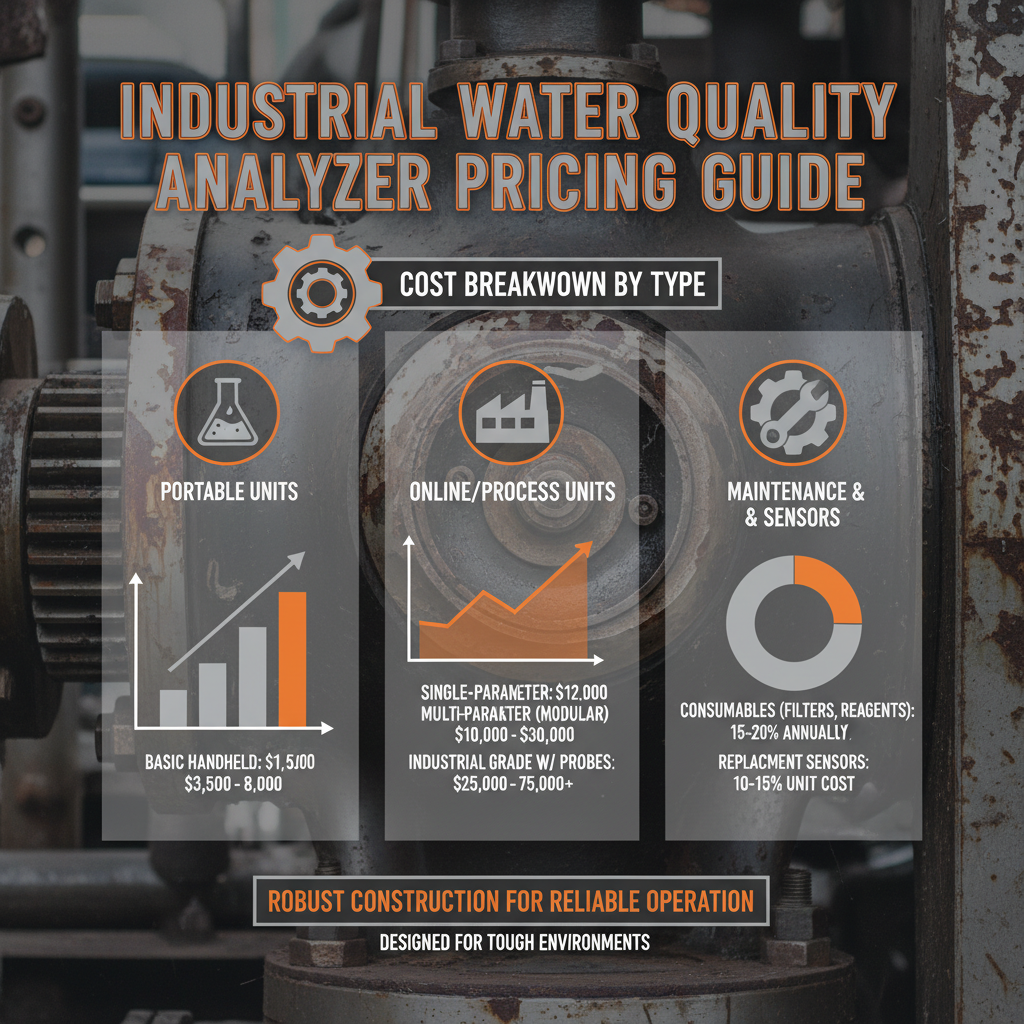
Selecting the appropriate water quality analyzer depends on the specific parameters you need to measure, the accuracy requirements, the sampling environment, and your budget. Consider whether you need a portable or laboratory instrument, the range of parameters to be tested, and the level of automation required. Consulting with a water quality specialist can help you make an informed decision based on your unique application.
Conclusion
In conclusion, water quality analyzers are indispensable tools for safeguarding our water resources. From ensuring public health to promoting environmental sustainability and driving industrial efficiency, they provide the critical data needed for informed decision-making. The advancements in sensor technology, data analytics, and automation are continually enhancing their capabilities and expanding their applications.
Looking ahead, continued investment in research and development, coupled with proactive policies that prioritize water quality monitoring, will be essential for addressing the growing global water challenges. By embracing innovation and adopting responsible water management practices, we can ensure the availability of clean, safe water for generations to come. Visit our website at www.jensprima.com to learn more about our comprehensive range of water quality analysis solutions.


 Download
 Video Center
 Technical Services
 FAQS
FAQS Service Network
 Privacy Policy
 Contact Us